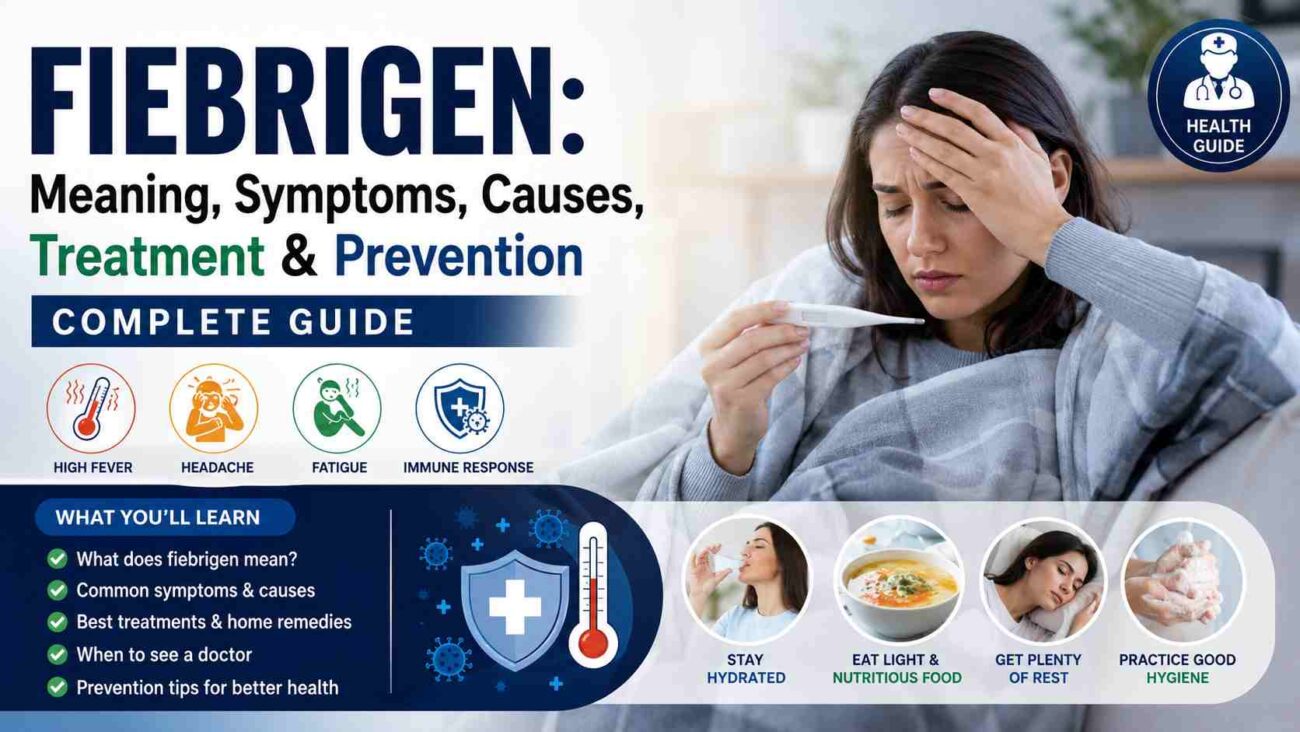
Introduction
The word “fiebrigen” is becoming more visible online as people search for information related to fever, illness, and infection-related symptoms. Many readers come across this term in translated medical articles, health blogs, or German healthcare content and want to understand exactly what it means. Although the word may sound complicated at first, its meaning is actually simple and closely connected to feverish conditions.
In medical discussions, fiebrigen usually refers to a person experiencing fever-related symptoms such as high body temperature, weakness, chills, or body pain. Since fever is one of the body’s most common reactions to infection, understanding fiebrigen conditions can help people recognize health problems early and respond properly.
People often search this keyword because they want to know whether it refers to a serious illness, a symptom, or a general health condition. Others may come across the term in medical reports or online discussions and look for a simple explanation in easy English.
This guide explains the meaning of fiebrigen, its medical background, symptoms, causes, risks, treatments, and prevention methods. The article is written in clear, reader-friendly language so people from different backgrounds can easily understand the topic without confusion.
What Does Fiebrigen Mean?
The term “fiebrigen” comes from the German language and is directly connected to fever or feverish conditions. In English, the closest meaning is “feverish.” Doctors and healthcare professionals may use the word when describing symptoms linked with infection, inflammation, or elevated body temperature.
For example, if someone has a viral infection and develops chills, weakness, and high temperature, that person may be described as having a fiebrigen condition. The word itself is not the name of a disease. Instead, it describes the state of the body during fever-related illness.
Many people first encounter the keyword while reading translated medical documents or international healthcare websites. Because online translations are not always perfect, readers sometimes become confused about whether fiebrigen is a disease, a medicine, or a serious condition. In reality, it is simply a descriptive term connected with fever symptoms.
Understanding the meaning of fiebrigen is important because fever is one of the body’s natural defense mechanisms. It often appears when the immune system is responding to bacteria, viruses, or inflammation.
A simple real-life example would be a person developing fever during seasonal flu. Along with body pain and fatigue, doctors may describe the patient as being in a feverish or fiebrigen state.
Understanding the Medical Context of Fiebrigen
In medical science, fever is considered an important signal from the body. When harmful organisms such as viruses or bacteria enter the system, the immune system responds by increasing body temperature. This response helps the body fight infection more effectively.
The term fiebrigen is commonly used when discussing these fever-related reactions. Doctors may use it to describe patients showing symptoms like sweating, weakness, chills, headaches, and elevated temperature.
Not every fever is dangerous. Mild fever often appears during common viral infections such as colds or flu and disappears naturally after a few days. However, severe fever can indicate a more serious health issue that requires medical attention.
Healthcare professionals usually look at several factors before deciding how serious a fiebrigen condition may be. These include body temperature, age, medical history, hydration level, breathing condition, and duration of symptoms.
For example, a healthy adult with mild fever and body aches may only need rest and hydration. On the other hand, an elderly person with breathing difficulty and persistent fever may require hospital treatment.
Doctors also pay close attention to fever in infants because young children can become dehydrated quickly. In some cases, high fever in children may lead to febrile seizures, which can be frightening for parents.
Understanding the medical context of fiebrigen helps readers avoid panic while still taking fever symptoms seriously when necessary.
Common Symptoms Linked With Fiebrigen Conditions
Fiebrigen conditions usually involve a combination of symptoms connected with fever and infection. The most obvious symptom is elevated body temperature, but fever often affects the body in several other ways as well.
One of the earliest signs is chills. Many people feel cold or begin shivering even when the room temperature feels normal. This happens because the body is attempting to raise its internal temperature as part of the immune response.
Sweating often follows chills. As body temperature changes, the body tries to cool itself naturally through sweating. This can sometimes lead to dehydration if fluid intake is not increased.
Fatigue is another common symptom. Fever forces the body to use more energy while fighting infection, which can leave a person feeling physically weak and mentally tired.
Body pain and headaches are also common during fiebrigen conditions. Muscle soreness, joint pain, and pressure headaches often appear during flu, viral infections, or inflammatory illnesses.
Loss of appetite is another noticeable symptom. Many people do not feel hungry during fever because the body focuses energy on immune defense rather than digestion.
A practical example can be seen during seasonal flu outbreaks. Someone with flu may develop fever, chills, headaches, weakness, and body aches within a short period. These symptoms together describe a typical fiebrigen condition.
Monitoring symptoms carefully is important because severe dehydration, confusion, or breathing difficulties may indicate a more serious infection.
Causes of Fiebrigen Symptoms
There are many different causes behind fiebrigen symptoms, but infections are among the most common. Viral infections such as influenza, colds, and COVID-like illnesses frequently trigger fever and body weakness.
Viruses enter the body and activate the immune system, causing body temperature to rise. This increase in temperature helps slow down the growth of harmful organisms while immune cells work to fight infection.
Bacterial infections can also lead to serious fever-related symptoms. Pneumonia, throat infections, urinary tract infections, and food poisoning are examples of illnesses that may produce high fever and severe weakness.
Inflammatory conditions are another possible cause. Some autoimmune diseases create inflammation inside the body, which can raise temperature even without infection.
Environmental conditions sometimes contribute as well. Heat exhaustion, dehydration, or overexertion during hot weather may create fever-like symptoms.
Stress can also affect the body’s temperature regulation. Although stress does not usually create true fever, extreme anxiety or physical exhaustion may cause a person to feel feverish.
A real-world example would be a student staying awake for several nights while dealing with flu symptoms. Lack of rest, dehydration, and infection together can worsen fever and increase physical exhaustion.
Because different conditions may produce similar symptoms, proper diagnosis is important. Treating viral illness is very different from treating bacterial infection, which is why medical evaluation sometimes becomes necessary.
How Fever Affects the Human Body
Fever affects almost every system in the human body. Normally, body temperature remains stable, but during illness the brain raises temperature to strengthen the immune response.
The hypothalamus, located in the brain, controls body temperature. When infection is detected, the immune system releases chemicals that signal the brain to increase heat production.
This process helps immune cells become more active and may slow the growth of bacteria and viruses. That is why mild fever is often considered a natural and helpful defense mechanism.
However, fever also places stress on the body. Higher temperature increases heart rate, fluid loss, and energy consumption. As a result, people often feel exhausted and dehydrated during illness.
Children and elderly adults are especially sensitive to temperature changes. Young children may become irritable or develop febrile seizures during high fever. Older adults may experience confusion, dizziness, or worsening of chronic health conditions.
A high fever lasting too long can become dangerous. Extremely elevated temperature may affect brain function, heart health, and organ performance.
For example, someone with severe pneumonia may experience fever alongside rapid breathing and dehydration. In such situations, fever is no longer just a symptom but a sign of a potentially serious medical condition.
Understanding how fever affects the body helps people recognize when home treatment is enough and when professional medical care is necessary.
Is Fiebrigen Dangerous?
In many situations, fiebrigen conditions are temporary and improve within a few days. Mild fever caused by common viral infections often responds well to rest, hydration, and proper nutrition.
However, fever can sometimes signal a serious illness. The danger depends on the underlying cause, the patient’s age, and the severity of symptoms.
One important factor is temperature level. Mild fever may only create discomfort, while very high fever can place significant stress on the body.
Persistent fever lasting several days should never be ignored, especially if combined with breathing difficulties, chest pain, confusion, or severe weakness.
Elderly people face higher risks because infections can spread more quickly in weakened immune systems. Infants are also vulnerable because dehydration develops faster in young children.
A real example would be someone ignoring high fever caused by bacterial pneumonia. Without treatment, the infection could worsen and affect the lungs or bloodstream.
Another danger comes from untreated dehydration. Excessive sweating combined with poor fluid intake may reduce blood pressure and create dizziness or fainting.
The key point is that fever itself is not always dangerous, but the condition causing the fever may require medical attention.
People should monitor symptoms carefully and seek medical help when fever becomes severe, persistent, or accompanied by unusual symptoms.
Diagnosis and Medical Evaluation
Doctors diagnose fiebrigen conditions by examining symptoms, checking body temperature, and identifying the possible cause of illness.
The evaluation usually begins with questions about symptom duration, recent infections, travel history, medications, and overall health condition.
Temperature is measured using digital thermometers through the mouth, ear, forehead, or underarm. Persistent high readings may indicate active infection or inflammation.
Physical examination helps doctors identify warning signs such as breathing difficulty, dehydration, skin rash, or swollen lymph nodes.
Laboratory testing may be required in severe cases. Blood tests help identify bacterial infection, inflammation levels, or immune system activity. Urine tests, throat swabs, and imaging scans may also be used depending on symptoms.
For example, a patient with fever and chest pain may require chest X-rays to check for pneumonia.
Accurate diagnosis is extremely important because treatment depends on the underlying cause. Viral infections often improve naturally, while bacterial infections may require antibiotics.
Early medical evaluation can prevent complications and improve recovery speed, especially in vulnerable individuals.
Treatment Options for Fiebrigen Conditions
Treating fiebrigen conditions depends on what is causing the fever. Some illnesses only require supportive care, while others need medication or hospital treatment.
Home Remedies
Rest is one of the most important parts of recovery. The body needs energy to fight infection, so reducing physical activity helps the immune system function more effectively.
Hydration is equally important. Fever increases fluid loss through sweating, making water intake essential.
Warm soups, herbal teas, and electrolyte drinks can help maintain hydration and comfort.
Cooling methods such as lightweight clothing, proper ventilation, and lukewarm baths may reduce discomfort without causing sudden temperature changes.
A practical example is someone recovering from flu at home by resting, drinking fluids, and eating light meals while monitoring temperature regularly.
Medical Treatments
Doctors may recommend fever-reducing medicines such as acetaminophen or ibuprofen to lower temperature and relieve pain.
Antibiotics are prescribed only for bacterial infections. Viral illnesses usually do not improve with antibiotics.
Antiviral medications may be used in specific cases, especially during severe influenza or other viral infections.
Hospital treatment becomes necessary when symptoms are severe. Intravenous fluids, oxygen support, and close monitoring may be required in dangerous infections.
Combining medical guidance with proper self-care usually leads to safer and faster recovery.
Best Foods and Drinks During Fever
Good nutrition supports the immune system during fiebrigen conditions. Since fever increases energy use and fluid loss, healthy foods and drinks become very important.
Water is the best choice for preventing dehydration. Electrolyte drinks can also help replace minerals lost through sweating.
Warm soups and broths are especially useful because they provide hydration, minerals, and comfort at the same time.
Fruits rich in vitamin C, such as oranges, berries, and kiwi, may support immune health.
Bananas, rice, toast, and applesauce are easy to digest and often recommended during illness.
Protein is also important for recovery. Light foods such as boiled eggs, yogurt, or chicken soup help the body rebuild strength without overloading digestion.
Heavy fried foods, alcohol, and excessive caffeine should generally be avoided because they may worsen dehydration or stomach discomfort.
For example, someone recovering from fever may feel much better after eating light soup and drinking enough fluids compared to consuming oily fast food.
Healthy nutrition not only supports recovery but also improves energy and immune function during illness.
Natural Remedies Often Used for Fever Relief
Many people use natural remedies to reduce discomfort during fiebrigen conditions. While these remedies do not cure serious infections, they may help improve comfort and hydration.
Herbal teas made with ginger, peppermint, or chamomile are commonly used because they provide warmth and relaxation.
Honey and ginger mixtures are popular home remedies for sore throat and cough symptoms linked with fever.
Steam inhalation may help clear nasal congestion during respiratory infections. Warm compresses can also ease muscle pain and headaches.
Traditional remedies vary between cultures. In some families, homemade soups, turmeric drinks, or herbal infusions are used during fever recovery.
However, natural treatments should never replace professional medical care in severe cases.
A real-life example would be someone using warm ginger tea alongside proper hydration and doctor-recommended medicine during flu recovery.
People with chronic illnesses or allergies should consult healthcare professionals before using herbal products because some ingredients may interact with medications.
The safest approach is combining natural comfort methods with proper medical advice.
Fiebrigen Symptoms in Children
Children often react differently to fever compared to adults. Even mild fever may cause irritability, crying, sleepiness, or reduced appetite.
Infants and young children can become dehydrated more quickly because their bodies lose fluids faster.
Parents should monitor body temperature carefully and pay attention to warning signs such as breathing difficulty, unusual sleepiness, seizures, or refusal to drink fluids.
High fever in infants requires immediate medical evaluation because infections can become serious quickly at a young age.
Doctors usually recommend hydration, light clothing, and child-safe fever medications when appropriate.
A practical example would be a child developing fever during flu season and becoming unusually tired and irritable. Proper hydration and medical guidance can help prevent complications.
Parents should avoid using medications without professional advice, especially for babies.
Understanding fever symptoms in children helps parents respond calmly while still taking safety precautions seriously.
Fiebrigen Conditions in Adults and Elderly People
Adults usually recover from mild fiebrigen conditions within several days, especially when they rest properly and stay hydrated.
However, elderly people face greater risks because the immune system becomes weaker with age.
Older adults may not always develop extremely high fever even during serious infection, which can sometimes delay diagnosis.
Chronic conditions such as diabetes, heart disease, or lung disorders may become worse during prolonged fever.
For example, an elderly person with pneumonia may mainly experience weakness and breathing problems rather than extremely high temperature.
Recovery time also varies depending on overall health, nutrition, and the underlying cause of illness.
Proper hydration, balanced meals, and medical monitoring become especially important for older adults.
Family members should pay close attention to changes in behavior, confusion, or reduced appetite because these may signal serious infection in elderly patients.
How to Prevent Fever-Related Illnesses
Preventing fiebrigen conditions begins with healthy everyday habits. One of the simplest and most effective methods is regular handwashing.
Viruses and bacteria spread easily through contact with contaminated surfaces, coughing, or sneezing.
Maintaining a strong immune system is equally important. Healthy sleep, regular exercise, balanced nutrition, and stress management all support immune function.
Vaccinations provide protection against several dangerous infections, including seasonal flu.
Hydration and hygiene are especially important during outbreaks of infectious diseases.
For example, people working in crowded offices or schools can reduce infection risk by washing hands frequently and avoiding close contact with sick individuals.
Simple preventive habits often make a major difference in reducing illness.
Difference Between Fever, Fiebrigen, and Flu Symptoms
Many people confuse fever, fiebrigen, and flu symptoms, but these terms are not exactly the same.
Fever refers specifically to increased body temperature.
Fiebrigen describes the feverish condition or symptoms connected with fever.
Flu is a viral illness that often includes fever along with cough, sore throat, body pain, and fatigue.
A common cold may create sneezing and congestion without strong fever.
Understanding these differences helps people recognize the seriousness of symptoms and choose appropriate treatment.
| Condition | Main Feature | Common Symptoms |
| Fever | Elevated body temperature | Sweating, chills |
| Fiebrigen | Feverish condition | Weakness, body pain |
| Flu | Viral infection | Fever, cough, fatigue |
For example, someone with flu usually experiences several symptoms together, while a person with mild fever may only feel warm and tired.
Psychological and Physical Effects of Long-Term Fever
Long-term fever affects both physical and mental health. Persistent fatigue often reduces concentration, productivity, and emotional energy.
Sleep problems are common because high body temperature interferes with normal rest patterns.
Emotionally, prolonged illness may create stress, anxiety, or frustration.
The body also experiences physical strain during extended fever. Muscle weakness, dehydration, and appetite loss may become worse over time.
For example, someone recovering from a long viral infection may continue feeling exhausted even after body temperature returns to normal.
This is why proper recovery time is important. Returning to work or physical activity too early may delay healing.
Medical evaluation becomes important if fever continues longer than expected or if symptoms become more severe.
When Should You Visit a Doctor?
Professional medical care is necessary when fever becomes severe, persistent, or combined with dangerous symptoms.
People should seek emergency help for breathing difficulty, chest pain, confusion, seizures, or severe dehydration.
Fever lasting several days should also be evaluated by a doctor.
Infants with fever require special attention because young children can become seriously ill quickly.
Elderly individuals and patients with weakened immune systems should also seek medical advice early.
A real-world example would be someone developing high fever and shortness of breath after several days of worsening illness. Such symptoms may indicate pneumonia or another serious infection.
Early diagnosis and treatment often prevent complications and improve recovery speed.
Myths and Misconceptions About Fiebrigen Conditions
There are many myths online about fever and fiebrigen conditions.
One common misconception is that every fever is dangerous. In reality, mild fever is often a normal immune response.
Another myth is that antibiotics cure all fever-related illnesses. Antibiotics only work against bacterial infections, not viruses.
Some people also believe sweating excessively can “remove” fever faster, but this may actually worsen dehydration.
Scientific understanding and proper medical advice are more reliable than internet rumors.
For example, using leftover antibiotics without diagnosis may delay proper treatment and contribute to antibiotic resistance
People should always rely on trusted healthcare guidance when dealing with serious symptoms.
Latest Medical Research About Fever and Immune Response
Modern medical research continues to explore the relationship between fever and immune defense.
Scientists now understand that moderate fever may improve immune cell activity and help the body fight infections more effectively.
Researchers are also developing better antiviral medicines, vaccines, and diagnostic technologies.
Healthcare studies suggest that controlled fever may actually support recovery in certain infections when managed safely.
For example, doctors no longer recommend lowering every mild fever immediately unless discomfort becomes severe.
Medical understanding continues evolving, but experts agree that monitoring symptoms carefully remains essential.
The combination of scientific research and modern healthcare has improved recovery outcomes for many infectious diseases worldwide.
Tips for Faster Recovery From Fever
Recovering from fiebrigen conditions usually requires patience and proper self-care.
Hydration is one of the most important recovery factors because fluids help regulate temperature and support body function.
Rest allows the immune system to focus on healing rather than physical activity.
Balanced nutrition provides vitamins, minerals, and energy needed for recovery.
Following medication instructions carefully is also important. Skipping doses or taking unnecessary medicine may slow improvement.
Monitoring body temperature regularly helps identify worsening symptoms early.
For example, someone recovering from flu may feel significantly better after several days of proper sleep, hydration, and light meals.
Trying to continue heavy work or exercise too soon often delays healing.
Combining healthy habits with medical guidance gives the body the best chance to recover safely and completely.
FAQ’s
1. What does fiebrigen mean?
Fiebrigen is a German term connected with feverish conditions or symptoms related to fever.
2. Is fiebrigen related to infection?
Yes, fiebrigen conditions are commonly associated with viral or bacterial infections.
3. Can stress create fever-like symptoms?
Extreme stress and exhaustion may cause the body to feel feverish, although true fever is usually linked with infection or inflammation.
4. Why do children become weak during fever?
Children lose energy and fluids quickly during fever, which often causes weakness and irritability.
5. What is the best way to recover from fever?
Proper hydration, rest, healthy food, and medical guidance when necessary are the best ways to support recovery.
Conclusion
Fiebrigen is a term used to describe feverish conditions connected with infection, inflammation, and immune response. Although the word may seem unfamiliar at first, understanding its meaning helps people recognize the importance of fever as both a symptom and a natural defense mechanism.Most mild fever-related conditions improve with rest, hydration, and proper nutrition. However, severe or persistent symptoms should never be ignored, especially in children, elderly individuals, or people with weakened immune systems.Recognizing warning signs early, seeking medical care when needed, and following healthy recovery habits can reduce complications and support faster healing.By understanding fiebrigen conditions properly, readers can make safer and more informed decisions about their health and well-being.
