The digital world introduces new terms every year, and some quickly attract attention because of their unique nature. One such term is wollwirrware. While it may not yet have a universally accepted definition, many people are searching for it to understand its meaning, purpose, and relevance in modern technology.
As businesses, creators, and professionals rely more on connected digital systems, new concepts often emerge to describe changing workflows and innovative approaches. Wollwirrware appears to be one of these emerging concepts. It reflects the growing need for flexible systems that can manage complexity while remaining easy to use.
In this guide, we will explore what wollwirrware means, how it works, its potential benefits, real-world applications, and why it is gaining attention in 2026.
What Is Wollwirrware?
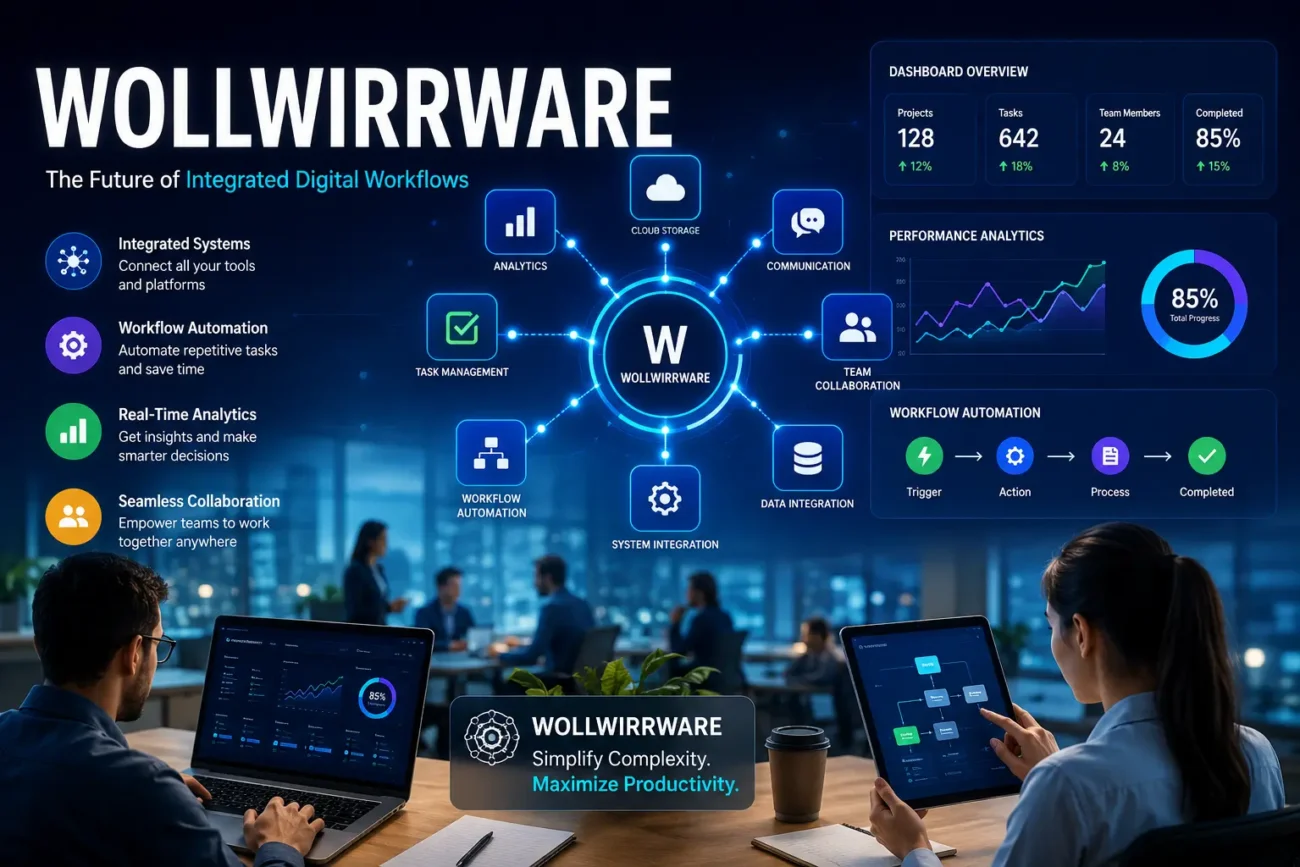
At its core, wollwirrware can be described as an emerging concept connected to digital workflows, integrated systems, and adaptable environments. Rather than referring to a specific software product, it appears to represent a framework or approach that helps organize multiple processes within a single ecosystem.
Modern organizations use many tools every day. Teams work with project management platforms, communication tools, data systems, and automation software. Managing these systems separately often creates confusion and inefficiency.
The idea behind wollwirrware is to bring these elements together in a way that feels organized, connected, and flexible.
Simply put, it represents a smarter way to handle digital complexity.
Origin and Meaning of Wollwirrware
The exact origin of the term remains unclear. However, like many modern internet terms, it appears to have emerged through online discussions and digital communities.
New terminology often develops when existing words no longer describe evolving technologies and workflows. Users create fresh expressions to explain new concepts, and some of these terms gain attention through blogs, forums, and social media platforms.
The growing interest in wollwirrware suggests that people are looking for a better way to describe systems that combine flexibility, integration, and workflow management.
Whether the term eventually becomes mainstream or remains niche, its popularity reflects broader trends in digital transformation.
Is Wollwirrware a Real Software or a Concept?
One of the most common questions people ask is whether wollwirrware is an actual software application.
Currently, it is better understood as a concept rather than a specific product.
Many technology terms begin as ideas before becoming commercial products. Cloud computing, automation platforms, and collaborative workspaces all started as concepts before evolving into industries.
Wollwirrware follows a similar pattern. It represents an approach to managing digital systems rather than a single tool.
This distinction is important because it allows the concept to be applied across different industries and technologies.
How Wollwirrware Works
To understand how it works, imagine a business using several separate systems.
One platform manages tasks.
Another stores data.
A third handles communication.
A fourth automates repetitive work.
When these systems operate independently, employees spend time switching between tools and managing information manually.
A wollwirrware-style environment aims to connect these elements into a unified workflow.
Information moves smoothly between systems.
Processes become easier to manage.
Teams spend less time dealing with complexity and more time focusing on meaningful work.
The goal is not to eliminate complexity entirely but to organize it effectively.
Key Features of Wollwirrware
Several characteristics make the concept attractive.
Adaptability
Modern businesses change quickly. Systems must adapt to new requirements without major disruptions.
Wollwirrware focuses on flexibility and allows workflows to evolve over time.
Integration
Different tools need to work together.
Integration enables data sharing, communication, and collaboration across multiple platforms.
Scalability
Organizations grow.
A scalable framework can support increasing workloads without becoming difficult to manage.
User-Centered Design
Technology should support users rather than overwhelm them.
Systems inspired by wollwirrware emphasize usability and accessibility.
Workflow Optimization
Efficient workflows save time and reduce errors.
This makes productivity improvements easier to achieve.
Benefits of Wollwirrware
The growing interest in wollwirrware comes from the practical advantages it may offer.
Better Productivity
Connected systems reduce repetitive tasks.
Employees can focus on strategic work rather than manual administration.
Improved Collaboration
When information flows between teams more effectively, collaboration becomes easier.
Departments can work together without communication barriers.
Reduced Complexity
Many organizations struggle with fragmented software environments.
An integrated approach simplifies management.
Greater Flexibility
Businesses can adjust workflows based on changing goals and market conditions.
Stronger Decision-Making
Access to connected information helps leaders make informed decisions more quickly.
Real-World Applications of Wollwirrware
Although the concept is still emerging, its principles can be applied in many environments.
Business Operations
Companies often use multiple tools for communication, project management, customer support, and analytics.
A connected framework helps streamline operations.
Project Management
Project teams need visibility into tasks, deadlines, and resources.
Integrated workflows improve efficiency and accountability.
Creative Industries
Designers, writers, and content creators frequently use several applications during production.
Connected systems reduce friction and improve collaboration.
Technology Startups
Startups need flexible systems that can scale rapidly.
The adaptability associated with wollwirrware aligns well with startup environments.
Education and Training
Learning platforms can benefit from integrated systems that connect resources, communication, and performance tracking.
Wollwirrware vs Traditional Systems
Traditional systems often operate independently.
Each platform serves a specific purpose, but communication between systems can be limited.
This creates silos and increases administrative effort.
By contrast, wollwirrware emphasizes connectivity and workflow integration.
Traditional systems typically require users to adapt to fixed processes.
A wollwirrware-inspired approach allows processes to adapt to user needs.
This shift reflects a broader movement toward user-focused digital experiences.
Why Wollwirrware Is Gaining Attention in 2026
Several trends are driving interest in this concept.
Digital Transformation
Organizations continue investing in technology to improve efficiency and competitiveness.
Hybrid Work Environments
Remote and hybrid teams require connected tools and streamlined workflows.
Automation Growth
Businesses want systems that automate repetitive tasks while maintaining control.
Data Integration
Companies increasingly rely on connected data to support decision-making.
User Experience Expectations
Modern users expect software environments to be intuitive and flexible.
These trends create conditions where concepts like wollwirrware become increasingly relevant.
Challenges and Limitations
No system or framework is perfect.
Understanding limitations is important.
Lack of Definition
Because the concept is still emerging, interpretations vary.
This can create confusion among users.
Implementation Complexity
Connecting multiple systems requires planning and technical expertise.
Security Concerns
Integrated environments must protect data and maintain strong security standards.
Adoption Challenges
Organizations may resist change if existing processes appear sufficient.
Recognizing these challenges helps create realistic expectations.
Future Potential of Wollwirrware
The future of wollwirrware depends on how technology continues to evolve.
As digital ecosystems become more complex, demand for integrated solutions will likely increase.
Businesses are searching for ways to improve productivity without creating additional complexity.
Frameworks that support adaptability and workflow optimization are likely to become more valuable.
If the concept continues gaining recognition, it could influence software development, business operations, and digital strategy over the coming years.
The principles behind wollwirrware align closely with future technology trends, making it a concept worth watching.
Common Misconceptions About Wollwirrware
It Is a Specific Software Product
Not necessarily.
The term is more commonly understood as a concept or framework.
It Eliminates Complexity
The goal is not to remove complexity entirely.
Instead, it helps organize complexity more effectively.
It Only Applies to Large Businesses
Organizations of all sizes can benefit from integrated workflows and flexible systems.
It Is Just Another Technology Buzzword
While the term is new, the challenges it addresses are very real.
Frequently Asked Questions
What is wollwirrware?
Wollwirrware is an emerging concept associated with integrated workflows, adaptable systems, and digital organization.
Is wollwirrware a real software application?
Currently, it is better understood as a concept rather than a specific product.
Why is wollwirrware becoming popular?
Growing digital complexity has increased interest in flexible and connected systems.
How does wollwirrware improve productivity?
It helps streamline workflows and reduce inefficiencies caused by disconnected tools.
Can small businesses use wollwirrware principles?
Yes. Businesses of any size can benefit from integrated workflows.
What industries can use wollwirrware?
Business, technology, education, project management, and creative industries can all apply its principles.
Conclusion
Wollwirrware represents an interesting response to one of the biggest challenges in the digital age: managing complexity without sacrificing usability.
As organizations continue adopting more tools, platforms, and data systems, the need for connected and adaptable workflows will only increase.
Whether wollwirrware eventually becomes a recognized technology category or remains a conceptual framework, its core ideas are highly relevant. Integration, flexibility, workflow optimization, and user-focused design are shaping the future of digital environments.
For businesses, professionals, and technology enthusiasts, understanding wollwirrware provides valuable insight into how modern systems are evolving and how future digital workflows may be designed.
