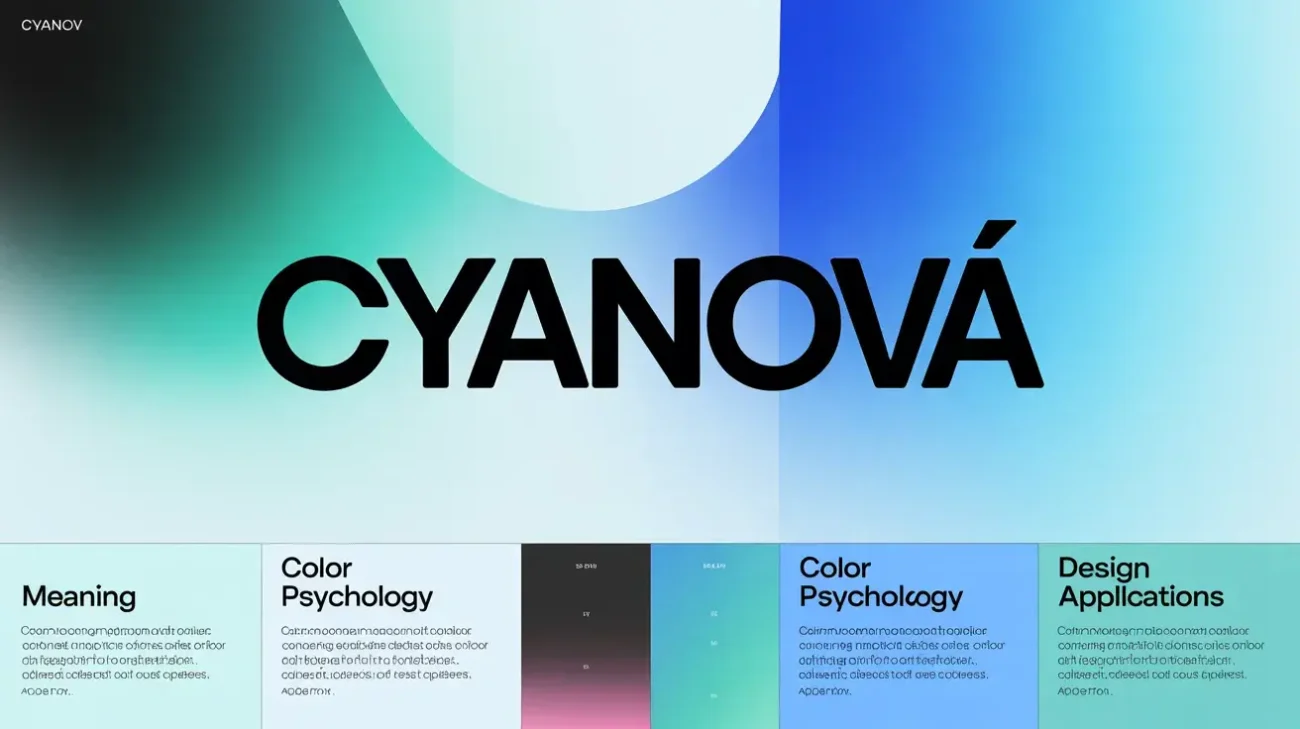
Cyanová is becoming a popular term in design, branding, and digital creativity. This unique blue-green shade combines the calming qualities of blue with the refreshing energy of green. As modern design trends continue to focus on simplicity and balance, cyanová has gained attention for its clean and sophisticated appearance.
From websites and mobile apps to fashion and interior spaces, cyanová appears in many areas of everyday life. People are drawn to this color because it feels modern, trustworthy, and visually pleasing. In this guide, you will learn the meaning of cyanová, its origins, color psychology, practical applications, and why it continues to grow in popularity.
What Is Cyanová?
Cyanová refers to a blue-green color that sits between blue and green on the visible color spectrum. It is closely related to cyan but is often used to describe a softer, more modern interpretation of the color.
Many designers see cyanová as more than a simple shade. It represents clarity, balance, creativity, and innovation. Because of these qualities, businesses and creative professionals frequently choose cyanová when they want to communicate trust and freshness.
The color works well in both digital and physical environments. It can appear vibrant and energetic or calm and relaxing depending on how it is used.
Origin and Meaning of Cyanová
The history of cyanová begins with the word “cyan.” The term comes from the Greek word kyanos, which referred to a dark blue substance used in ancient art and decoration.
Over time, cyan became recognized as a color between blue and green. The variation “cyanová” emerged in some European languages and later gained attention in design communities as a modern way to describe refined blue-green tones.
Today, cyanová symbolizes several positive ideas:
- Clarity
- Fresh thinking
- Innovation
- Calmness
- Balance
- Trustworthiness
These associations make it valuable for modern branding and visual communication.
Is Cyanová a Real Word?
One common question is whether cyanová is an official color term or simply a modern design expression.
The answer is both.
In some languages, cyanová functions as a grammatical form related to the color cyan. In modern design discussions, however, the term is often used more broadly to describe elegant blue-green shades and the design philosophy associated with them.
As internet culture and global design trends evolve, terms like cyanová can gain recognition beyond their original linguistic roots.
Cyanová vs Cyan: Key Differences
Although the two terms are closely connected, there are subtle differences.
Cyan
- Technical color used in printing and design
- One of the CMYK primary colors
- Bright and highly saturated
- Common in digital graphics
Cyanová
- More design-oriented term
- Often softer and more sophisticated
- Associated with mood and aesthetics
- Used in branding and creative industries
Think of cyan as the technical color and cyanová as the modern design interpretation of that color.
Understanding the Cyanová Color Spectrum
The cyanová color range includes multiple shades and variations.
Some appear closer to blue, while others lean toward green. This flexibility allows designers to create different moods while staying within the same visual family.
Popular cyanová variations include:
Light Cyanová
Fresh and airy. Often used in healthcare and wellness branding.
Medium Cyanová
Balanced and versatile. Suitable for websites and mobile applications.
Deep Cyanová
Professional and sophisticated. Common in finance and technology sectors.
Because the color spectrum offers so many options, cyanová can adapt to nearly any design style.
Color Codes: HEX, RGB, and CMYK
Designers often need technical color values when working with digital and print projects.
Common cyanová-inspired color values include:
HEX
#00BFCF
RGB
0, 191, 207
CMYK
100, 8, 0, 19
These values may vary depending on the exact shade being used.
When building a brand identity, it is important to maintain consistency across all platforms.
Color Psychology of Cyanová
Colors influence emotions and perceptions. Cyanová is especially effective because it combines the strengths of blue and green.
Blue Represents
- Trust
- Stability
- Intelligence
- Professionalism
Green Represents
- Growth
- Health
- Renewal
- Nature
Together, they create a color that feels balanced and optimistic.
People often associate cyanová with:
- Calm thinking
- Open communication
- Clean environments
- Innovation
- Reliability
This explains why many technology companies and wellness brands choose similar shades.
Why Cyanová Is Trending in 2026
Several factors contribute to the growing popularity of cyanová.
Demand for Minimalist Design
Modern users prefer clean interfaces and simple visual experiences. Cyanová fits perfectly within minimalist design systems.
Growth of Digital Products
Apps, websites, and software platforms increasingly use blue-green palettes because they feel modern and user-friendly.
Focus on Wellness
People seek colors that reduce visual stress and promote relaxation. Cyanová naturally supports these goals.
Sustainability Trends
Many environmentally focused organizations use cyanová because it evokes water, nature, and environmental responsibility.
As these trends continue, cyanová is expected to remain relevant for years to come.
Common Uses of Cyanová
One reason for the popularity of cyanová is its versatility.
Web Design
Designers use cyanová for:
- Buttons
- Navigation menus
- Background accents
- Call-to-action sections
Mobile Applications
The color helps create interfaces that feel modern and approachable.
Marketing Materials
Businesses use cyanová in brochures, advertisements, and social media graphics.
Product Packaging
The shade communicates freshness and quality while maintaining a premium appearance.
