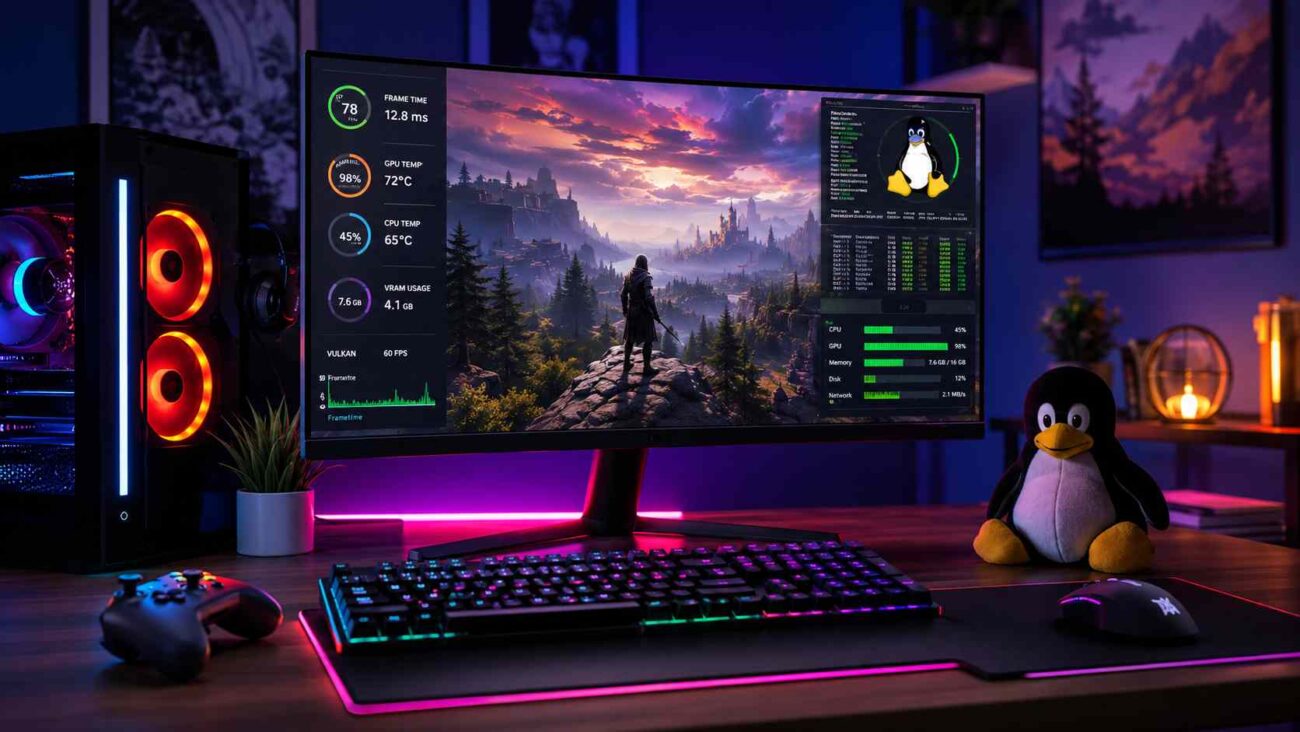
Introduction
Linux gaming has changed dramatically over the last few years. What was once considered a platform mainly for developers and technology enthusiasts has become a serious option for gamers. Thanks to tools like Steam Proton, Wine, and Vulkan, thousands of popular games can now run smoothly on Linux systems. As more gamers look for alternatives to traditional operating systems, Linux continues to gain attention for its flexibility, security, and performance.
The term tech hacks pblinuxgaming refers to a collection of techniques, tools, and optimization methods that help Linux users improve their gaming experience. These strategies focus on increasing frame rates, reducing input lag, improving system stability, and making better use of available hardware resources. Rather than relying on a single application, it involves combining multiple adjustments that work together to create a more efficient gaming environment.
Whether you are new to Linux gaming or already have experience, understanding these optimization methods can make a noticeable difference. This guide explains everything from choosing the right Linux distribution to fine-tuning graphics drivers and improving overall system performance. By the end of this article, you will have a complete understanding of how to get the most out of your Linux gaming setup.
What Is Tech Hacks PBLinuxGaming?
Tech hacks pblinuxgaming is a broad term used to describe gaming optimization practices designed specifically for Linux systems. It combines software tools, performance tweaks, and system configurations that help gamers achieve better results without necessarily upgrading their hardware. The goal is to create a smoother and more stable gaming experience.
Unlike traditional gaming utilities that perform a single function, tech hacks pblinuxgaming represents an overall approach to optimization. It encourages users to understand how their system works and make adjustments that improve efficiency. This may include installing better drivers, enabling gaming-focused tools, or adjusting system settings for maximum performance.
The popularity of these techniques comes from the Linux community itself. Many improvements have been discovered and shared by gamers who continuously test new solutions. As a result, Linux users now have access to a large collection of proven methods that can significantly improve gameplay while maintaining the flexibility and control that Linux is known for.
Why Linux Gaming Requires Optimization
Although Linux gaming has improved significantly, optimization is still important because many games are originally developed for Windows. Compatibility layers such as Proton make it possible to run these games, but some titles may require additional tuning to achieve their best performance. Small adjustments can often result in smoother gameplay and fewer technical issues.
Another reason optimization matters is driver compatibility. Graphics drivers play a major role in gaming performance, and using outdated drivers can reduce frame rates or create graphical glitches. Linux offers excellent hardware support, but users must ensure that their systems are properly configured to take advantage of it.
Resource management also differs between Linux and Windows. Linux gives users more control over processes, background services, and system resources. While this flexibility is a major advantage, it also means that proper optimization can have a significant impact. By reducing unnecessary resource usage, gamers can dedicate more processing power to their games and achieve better overall performance.
Benefits of Using Tech Hacks PBLinuxGaming
One of the biggest benefits of tech hacks pblinuxgaming is improved frame rates. Better driver settings, optimized software configurations, and performance-focused tools can help games run more efficiently. Even small FPS gains can make gameplay feel noticeably smoother, especially in fast-paced competitive titles.
Another major advantage is reduced input lag. Input lag affects how quickly actions performed by the player appear on screen. By optimizing CPU performance, reducing background processes, and improving system responsiveness, Linux gamers can enjoy faster reaction times and a more responsive experience.
These optimization methods also improve stability and reliability. Crashes, stuttering, and random performance drops can ruin a gaming session. Proper system tuning helps reduce these issues while ensuring that hardware resources are used efficiently. This results in a more enjoyable and consistent gaming experience over the long term.
Choosing the Best Linux Distribution for Gaming
Selecting the right Linux distribution is one of the first decisions every Linux gamer should make. Different distributions offer unique features, software repositories, and performance characteristics. The best choice depends on your experience level and gaming requirements.
Ubuntu remains one of the most popular options because it is beginner-friendly and supported by a large community. Most gaming tools and software packages are easy to install, making Ubuntu an excellent starting point for new Linux gamers. Its long-term support releases also provide stability and reliability.
Pop!_OS, Nobara Linux, Fedora, and Arch Linux are also excellent choices. Pop!_OS offers excellent NVIDIA support, Nobara includes gaming-focused optimizations by default, Fedora provides modern software packages, and Arch Linux offers maximum customization. While Arch is better suited for advanced users, all of these distributions can deliver excellent gaming performance when properly configured.
| Distribution | Best For | Difficulty | Gaming Support |
| Ubuntu | Beginners | Easy | Excellent |
| Pop!_OS | Beginners & Gamers | Easy | Excellent |
| Nobara Linux | Gaming Enthusiasts | Easy | Outstanding |
| Fedora | Intermediate Users | Medium | Excellent |
| Arch Linux | Advanced Users | Advanced | Excellent |
Essential Tools Every PBLinuxGaming User Should Install
A successful Linux gaming setup relies on a few essential tools. Steam is often the foundation because it provides access to thousands of games and integrates Proton support directly into its platform. This makes playing Windows games on Linux much easier than it was in the past.
Proton, Proton GE, Wine, Lutris, and Heroic Games Launcher are among the most important compatibility tools available today. These applications help users run games from various platforms while improving compatibility and performance. Many games that were once impossible to play on Linux now work surprisingly well thanks to these technologies.
Performance monitoring and optimization tools are equally important. MangoHud allows gamers to monitor FPS, temperatures, and resource usage in real time. GameMode automatically adjusts system settings for better gaming performance. Together, these tools create a powerful environment that helps Linux gamers get the best possible results from their hardware.
Graphics Driver Optimization Hacks
Graphics drivers are one of the most important factors affecting gaming performance. No matter how powerful your hardware is, outdated or poorly configured drivers can limit performance. Keeping drivers updated should always be a priority for Linux gamers.
NVIDIA users generally achieve the best results with proprietary drivers because they provide strong gaming performance and excellent Vulkan support. AMD users benefit from modern Mesa drivers, which are included in most Linux distributions and receive frequent updates. Intel graphics users should also ensure that their systems use the latest graphics stack available.
Driver optimization goes beyond installation. Users should regularly update their drivers, enable performance profiles where available, and ensure Vulkan support is properly configured. These simple adjustments often lead to better frame rates, improved stability, and fewer graphical issues in demanding games.
Proton and Wine Performance Tweaks
Proton and Wine play a critical role in Linux gaming because they allow Windows applications and games to run on Linux. Understanding how these tools work can help users optimize compatibility and performance. Many games perform surprisingly well when configured correctly.
Different games often work better with specific Proton versions. Some users achieve better results by testing Proton Experimental or Proton GE releases. These versions may contain bug fixes and compatibility improvements that have not yet reached the stable release channel.
Launch options and environment variables can also improve performance. Certain settings help reduce graphical issues, improve compatibility, or enhance frame rates. While casual gamers may not need advanced configurations, learning a few basic tweaks can significantly improve the gaming experience and solve common compatibility problems.
Controller and Input Device Optimization
A properly configured controller or input device can greatly improve comfort, accuracy, and responsiveness during gameplay. Linux supports a wide range of gaming peripherals, including Xbox controllers, PlayStation controllers, gaming mice, and keyboards. However, taking a few extra steps to optimize these devices can help reduce input delays and ensure a smoother gaming experience, especially in fast-paced or competitive games.
For controller users, tools like Steam Input provide extensive customization options. Players can remap buttons, adjust sensitivity settings, create custom profiles, and configure controls for specific games. Xbox and PlayStation controllers are generally well-supported on modern Linux distributions, but keeping firmware updated and using the latest drivers can improve compatibility and performance. Proper calibration also helps ensure accurate movement and button responses.
Input optimization is not limited to controllers. Gaming mice and keyboards can also benefit from fine-tuning settings such as polling rates, DPI levels, and key mappings. If users experience issues like delayed inputs or devices not being detected correctly, updating system packages and checking hardware configurations often resolves the problem. By optimizing controllers and other input devices, Linux gamers can enjoy better control, improved responsiveness, and a more consistent gaming experience across different titles.
GameMode Optimization Techniques
GameMode is one of the easiest and most effective optimization tools available for Linux gaming. It automatically adjusts system settings when a game launches, helping ensure that hardware resources are focused on performance rather than background tasks.
One of GameMode’s most useful features is CPU governor optimization. Many systems switch between performance and power-saving modes automatically. During gaming sessions, GameMode keeps the processor focused on delivering maximum performance, helping maintain stable frame rates.
The tool also improves process prioritization and resource allocation. This means that games receive higher priority while less important tasks are temporarily deprioritized. The result is smoother gameplay, reduced stuttering, and a more responsive overall gaming experience without requiring complicated manual adjustments.
CPU and Kernel Optimization Hacks
The CPU plays a major role in gaming performance, particularly in modern games that rely heavily on physics calculations, AI systems, and large open-world environments. Optimizing processor behavior can help reduce bottlenecks and improve responsiveness.
Low-latency kernels are often recommended for gaming because they reduce delays between hardware and software communication. While standard kernels perform well, specialized gaming kernels may offer small but noticeable improvements in responsiveness and consistency.
Advanced users may also experiment with CPU affinity settings and process prioritization. These techniques allow specific processes to receive dedicated resources, improving performance in certain scenarios. While the benefits vary depending on hardware and game type, proper CPU optimization remains an important part of the tech hacks pblinuxgaming approach.
GPU Performance Enhancement Techniques
The graphics card handles most visual processing tasks in modern games. As a result, GPU optimization can have a direct impact on frame rates and visual quality. Proper configuration helps ensure that the hardware operates efficiently under heavy gaming workloads.
Performance modes and power profiles can influence how aggressively the GPU uses its resources. Many graphics cards include settings that balance power consumption and performance. Gamers generally achieve better results by selecting profiles designed for maximum performance.
Thermal management is equally important. Excessive heat can cause thermal throttling, reducing performance during long gaming sessions. Maintaining proper cooling, cleaning dust from components, and ensuring good airflow can help the GPU maintain consistent performance even during demanding gameplay.
Gaming Performance Monitoring Tools
Monitoring your system while gaming is one of the most effective ways to identify performance issues and improve overall gameplay. Many Linux gamers focus on increasing FPS, but without proper monitoring tools, it can be difficult to understand what is causing lag, stuttering, or sudden frame rate drops. Performance monitoring software provides real-time information about CPU usage, GPU load, memory consumption, temperatures, and frame rates, helping users make informed optimization decisions.
One of the most popular tools for Linux gamers is MangoHud. It displays an on-screen overlay that shows important performance metrics while you play. This allows you to track FPS, frame times, GPU temperatures, and system resource usage without leaving the game. Other useful tools such as CoreCtrl and Mission Center provide deeper insights into hardware performance and system behavior. These applications help users monitor temperatures, adjust power profiles, and ensure that hardware is operating efficiently during demanding gaming sessions.
Regular performance monitoring is important because it helps identify potential bottlenecks before they affect gameplay. For example, unusually high CPU temperatures may indicate cooling problems, while excessive RAM usage could suggest that background applications are consuming valuable resources. By using reliable monitoring tools and reviewing performance data regularly, Linux gamers can maintain a stable system, troubleshoot issues more effectively, and enjoy a smoother gaming experience over the long term.
RAM & System Resource Management
Effective RAM and system resource management plays an important role in maintaining smooth gaming performance on Linux. Modern games often require a significant amount of memory, and when system resources are not managed properly, players may experience stuttering, slow loading times, or reduced frame rates. By ensuring that enough RAM is available for games, Linux users can improve responsiveness and create a more stable gaming environment.
One of the best ways to optimize memory usage is by reducing unnecessary background processes and applications. Programs running in the background consume valuable system resources that could otherwise be used by games. Regularly checking active processes, disabling unneeded startup applications, and closing resource-heavy software before launching a game can help free up memory and improve overall performance. Monitoring tools can also help identify applications that are using excessive RAM.
Swap configuration is another important factor in Linux resource management. While RAM provides fast access to data, swap space acts as backup memory when RAM becomes full.
Properly configured swap settings can help prevent slowdowns during heavy workloads. Combining efficient memory management with regular system maintenance allows Linux gamers to maximize available resources, reduce performance bottlenecks, and enjoy smoother gameplay across a wide range of titles.
Vulkan Optimization for Better Gaming Performance
Vulkan is a modern graphics API that plays a significant role in Linux gaming. It provides developers with greater control over hardware resources and often delivers better performance than older graphics technologies. Many Linux gaming tools rely heavily on Vulkan.
Compared to OpenGL, Vulkan generally reduces CPU overhead and improves efficiency. This can result in higher frame rates and smoother gameplay, particularly on systems with multiple processor cores. Games that support Vulkan natively often perform exceptionally well on Linux.
Proper Vulkan support requires updated drivers and compatible hardware. If users encounter issues, updating drivers, reinstalling Vulkan packages, or testing alternative Proton versions often resolves the problem. For many gamers, Vulkan is one of the most important technologies behind modern Linux gaming performance.
Security Considerations for Linux Gamers
While Linux is generally considered more secure than many other operating systems, gamers should still follow good security practices to protect their systems and personal information. Installing software from unknown sources, downloading unofficial game files, or using unverified scripts can introduce security risks. To avoid potential problems, it is always best to download gaming tools, launchers, and updates from trusted repositories and official websites whenever possible.
Account security is another important consideration for Linux gamers. Gaming platforms often contain valuable purchases, achievements, and personal information. Using strong passwords and enabling two-factor authentication can significantly reduce the risk of unauthorized access. Gamers should also be cautious of phishing attempts, fake login pages, and suspicious links that may appear in gaming communities, emails, or online forums.
Keeping the operating system and installed software up to date is equally important. Regular updates provide security patches, bug fixes, and performance improvements that help protect the system from vulnerabilities. Performing routine maintenance, removing unused applications, and monitoring system activity can further improve security. By following these simple practices, Linux gamers can enjoy a safer gaming experience while maintaining strong system performance and stability.
Future of Linux Gaming
The future of Linux gaming looks more promising than ever. Over the past few years, major improvements in compatibility tools, graphics drivers, and gaming platforms have helped Linux become a practical choice for many gamers. What was once considered a niche operating system for gaming is now attracting a growing number of users who want greater control, flexibility, and performance. As technology continues to evolve, Linux is expected to play an even bigger role in the gaming industry.
One of the biggest reasons for this growth is the continued development of technologies such as Proton, Vulkan, and modern graphics drivers. These tools have made it possible to run thousands of Windows games on Linux with impressive performance. The success of gaming-focused devices like the Steam Deck has also introduced Linux gaming to a wider audience. As more developers recognize the demand for Linux support, gamers can expect improved compatibility, better optimization and an expanding library of supported titles.
Looking ahead, advancements in hardware support, cloud gaming, and AI-powered performance optimization could further improve the Linux gaming experience. New gaming technologies are becoming more platform-independent, reducing the gap between Linux and other operating systems. While challenges still exist, the overall trend is positive. For gamers who enjoy customization, security, and performance, Linux is likely to become an even stronger gaming platform in the years to come.
Conclusion
Tech hacks pblinuxgaming is more than just a collection of random tweaks. It represents a complete approach to improving Linux gaming performance through smarter configuration, better tools, and efficient resource management. By combining the right distribution, updated drivers, compatibility tools, and optimization techniques, gamers can enjoy a smoother and more reliable experience.The most effective strategy is to start with the basics. Keep your drivers updated, install essential gaming tools, enable GameMode, and monitor performance using MangoHud. Once these fundamentals are in place, you can explore more advanced optimizations based on your hardware and gaming needs.Linux gaming continues to evolve rapidly, and the future looks brighter than ever. With the right setup and a willingness to experiment, you can transform your Linux system into a powerful gaming platform capable of delivering excellent performance across a wide range of modern games.
FAQ’s
1. What is Tech Hacks PBLinuxGaming?
Tech Hacks PBLinuxGaming refers to a collection of Linux gaming optimization techniques, tools, and performance tweaks. These methods help gamers improve FPS, reduce lag, enhance stability, and get better overall performance from their Linux gaming systems.
2. Is Tech Hacks PBLinuxGaming Safe to Use?
Yes, most Tech Hacks PBLinuxGaming methods are safe when you follow trusted guides and use reliable software. Updating drivers, enabling GameMode, optimizing Proton settings, and monitoring system performance are common practices that do not harm your hardware.
3. Which Linux Distribution Is Best for Gaming?
The best Linux distribution depends on your experience level. Ubuntu and Pop!_OS are excellent choices for beginners because they are easy to use and well-supported. Nobara Linux is popular among gamers due to its built-in gaming optimizations, while Arch Linux is better suited for advanced users who want maximum control.
4. Can Linux Gaming Performance Match Windows?
In many games, Linux performance is very close to Windows, and some titles may even perform better depending on the hardware and software configuration. Modern technologies like Proton, Vulkan, and updated graphics drivers have significantly reduced the performance gap between the two operating systems.
5. How Can I Improve FPS on Linux?
You can improve FPS by updating graphics drivers, enabling GameMode, using Vulkan when available, reducing unnecessary background processes, optimizing Proton settings, and monitoring system performance with tools like MangoHud. Regular system maintenance and proper hardware cooling can also help maintain stable frame rates.
