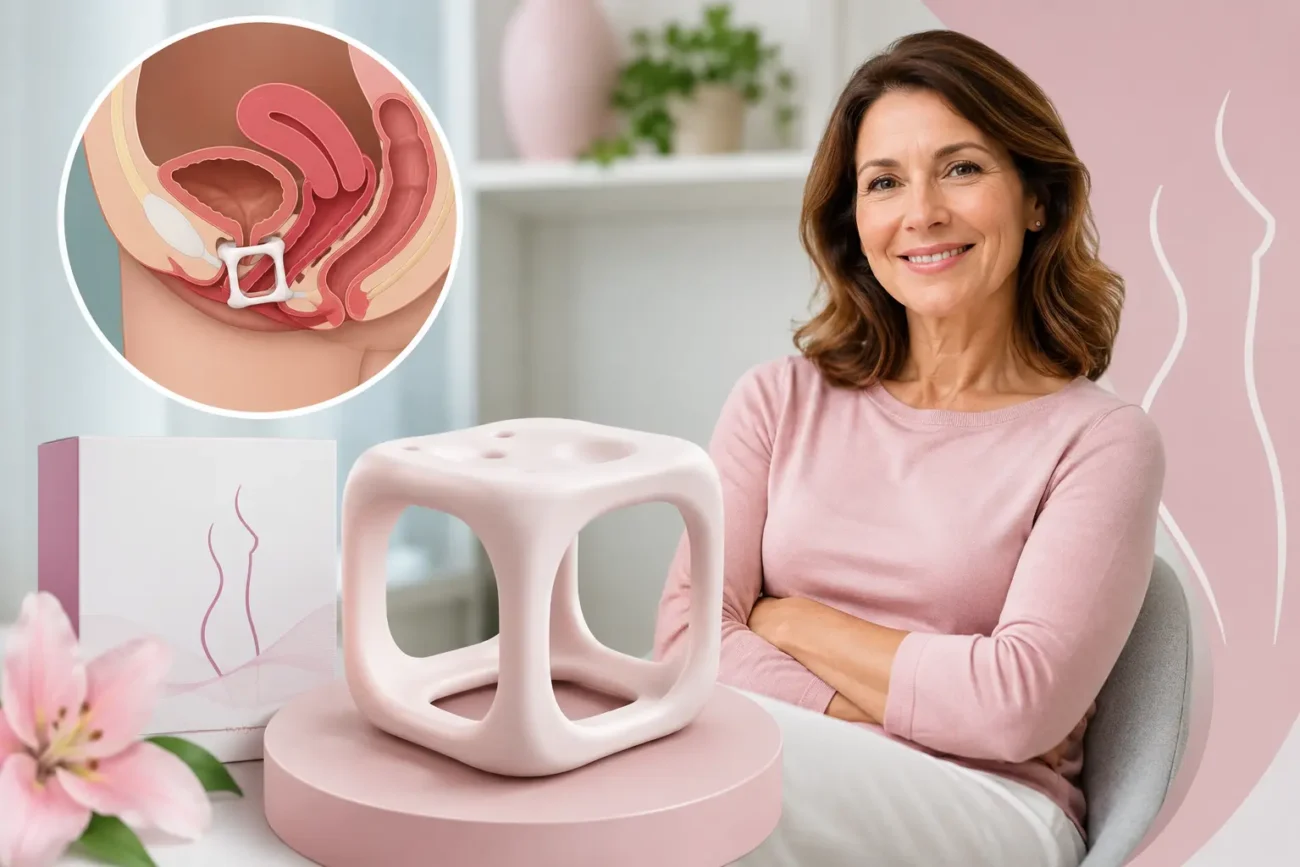
Women’s health issues often go unnoticed until they start affecting daily life. Problems like pelvic pressure, bladder discomfort, or uterine prolapse can make normal activities difficult and stressful. That is where gynecube is gaining attention as a modern, non-surgical support option for women looking for comfort, confidence, and better pelvic health management.
Unlike traditional solutions that may feel uncomfortable or restrictive, gynecube focuses on daily usability and gentle support. Many women now prefer less invasive options before considering surgery, and this device offers a practical alternative. In this guide, you will learn how gynecube works, its benefits, possible risks, and why it is becoming a popular topic in women’s wellness discussions.
What Is Gynecube?
Gynecube is a gynecological support device designed to help women manage pelvic organ prolapse and related discomfort. It works by providing internal support to help maintain a more natural position for pelvic organs such as the bladder or uterus.
Many women experience pelvic floor weakness after childbirth, menopause, aging, or long-term physical strain. This weakness can lead to symptoms like:
- Pelvic pressure
- Bladder leakage
- Lower back discomfort
- Difficulty standing for long periods
- A feeling of heaviness in the pelvic area
Gynecube aims to reduce these symptoms without surgery. Its design focuses on comfort, flexibility, and ease of use.
Why Gynecube Is Becoming Popular
Women today want more control over their healthcare choices. Many prefer conservative treatments before moving toward surgical procedures. This growing demand is one reason why gynecube has become more widely discussed.
Traditional pessaries may work for some women, but others find them uncomfortable or difficult to manage. Gynecube offers a more modern approach with a comfort-focused design and simpler daily use.
Several factors are driving its popularity:
- Increased awareness about pelvic health
- Demand for non-surgical treatment options
- Better education about prolapse management
- Focus on comfort and quality of life
- Greater openness in discussing women’s health issues
Women are no longer ignoring pelvic discomfort as a “normal part of aging.” They are actively looking for supportive and practical solutions.
What Problems Does Gynecube Solve?
Pelvic organ prolapse can affect both physical and emotional well-being. Many women feel embarrassed discussing these symptoms, which often delays treatment.
Gynecube helps address common issues linked to pelvic floor weakness.
Pelvic Pressure
Some women feel a constant heaviness in the pelvic area. This discomfort can worsen during walking, exercise, or standing. Gynecube helps reduce that pressure by offering internal support.
Bladder Prolapse Symptoms
Bladder prolapse may lead to urinary leakage or difficulty controlling the bladder. Support devices can help reduce discomfort and improve confidence during daily activities.
Uterine Prolapse Discomfort
Women with uterine prolapse often report pain, irritation, or a dragging sensation. Gynecube may help improve comfort and mobility.
Reduced Confidence
Pelvic health problems can affect emotional health. Many women avoid social activities or exercise because of discomfort. Better support often improves confidence and independence.
How Gynecube Works
Gynecube works by supporting weakened pelvic structures internally. The device helps reposition pelvic organs more naturally and reduces strain on surrounding muscles.
Its cube-inspired design distributes pressure evenly instead of focusing on one area. This balanced support may help improve comfort during movement and daily tasks.
Most women use it during normal daily activities such as:
- Walking
- Working
- Traveling
- Light exercise
- Household tasks
The goal is not only symptom management but also improved daily comfort.
Key Features of Gynecube
Several features make gynecube different from traditional support devices.
Comfort-Focused Design
The device uses softer materials that reduce irritation and friction. Comfort is important because women may wear it for long periods.
Flexible Structure
Unlike rigid pessaries, gynecube adapts more naturally to body movement. This flexibility can improve comfort during walking or sitting.
Easy Daily Use
Many women can manage insertion and removal themselves after proper medical guidance. This allows more independence and privacy.
Discreet Lifestyle Support
Gynecube is designed to fit into everyday life without disrupting routines. Women can often continue normal activities while using it.
Benefits of Using Gynecube
Many women choose gynecube because it offers practical support without surgery. While experiences vary, users often report noticeable improvements in comfort and mobility.
Improved Daily Comfort
Reduced pelvic pressure can make standing, walking, and movement easier.
Better Confidence
Women may feel more secure during work, social activities, and exercise.
Non-Surgical Support
Some women want to avoid surgery or delay invasive procedures. Gynecube provides a conservative treatment option.
Easier Prolapse Management
The device can help women manage symptoms more comfortably while following medical advice.
Support for Active Lifestyles
Many users appreciate being able to maintain daily routines with less discomfort.
Who Can Use Gynecube?
Gynecube may be suitable for women dealing with mild to moderate pelvic organ prolapse. However, a healthcare provider should always guide proper use.
Women who commonly explore this option include:
- Postpartum women
- Women after menopause
- Older adults seeking non-surgical support
- Women with bladder prolapse symptoms
- Women exploring alternatives before surgery
Every situation is different. A medical consultation is important before starting any pelvic support device.
Who Should Avoid Using Gynecube?
Although gynecube may help many women, it is not ideal for everyone.
Women should avoid self-using pelvic support devices without medical guidance if they have:
- Severe prolapse
- Active infections
- Unexplained pelvic pain
- Recent pelvic surgery
- Pregnancy complications
A doctor can determine whether this type of support is appropriate and safe.
Gynecube vs Traditional Pessaries
Traditional pessaries have been used for many years to manage prolapse symptoms. However, some women struggle with comfort or maintenance.
Here is how gynecube differs.
| Feature | Traditional Pessary | Gynecube |
|---|---|---|
| Structure | Often rigid | Flexible design |
| Comfort | May cause irritation | Comfort-focused |
| Daily Management | Sometimes difficult | Easier handling |
| Lifestyle Fit | Less flexible | More adaptable |
| Pressure Distribution | Single pressure points | Balanced support |
Many women prefer newer designs that focus more on comfort and mobility.
Gynecube vs Surgery
Surgery may still be necessary in severe cases. However, many women prefer trying conservative treatments first.
Advantages of Non-Surgical Support
- No surgical recovery time
- Lower immediate risk
- More flexibility
- Reversible option
- Conservative symptom management
When Surgery May Still Be Needed
Women with severe prolapse or worsening symptoms may eventually require surgical treatment. Gynecube should not replace professional medical care.
Safety Tips and Hygiene Guide
Good hygiene is essential when using pelvic support devices.
Clean Regularly
Always follow cleaning instructions provided by healthcare professionals or manufacturers.
Use Proper Placement
Incorrect placement can cause discomfort or irritation.
Listen to Your Body
If you experience pain, bleeding, or unusual symptoms, stop use and contact a healthcare provider.
Attend Medical Checkups
Regular follow-ups help ensure safe and effective use.
Proper care improves both comfort and long-term usability.
Possible Side Effects or Risks
Like any medical support device, gynecube may have some risks.
Possible issues include:
- Mild irritation
- Discomfort from poor fitting
- Hygiene-related infections
- Pressure sensitivity
Most problems improve with proper fitting and medical supervision.
Women should never ignore persistent pain or unusual symptoms.
Real User Experiences
Many women report positive experiences after trying gynecube as part of prolapse management.
Some users mention:
- Less pelvic pressure during movement
- Improved confidence during social activities
- More comfort while standing or walking
- Better quality of life overall
However, experiences differ from person to person. Some women notice quick improvements, while others need time to adjust.
Medical Opinions About Gynecube
Healthcare professionals often recommend conservative treatments before surgery when possible. Pelvic support devices can play an important role in symptom management.
Doctors may suggest options like gynecube alongside:
- Pelvic floor exercises
- Lifestyle adjustments
- Weight management
- Physical therapy
Medical supervision is always important because every woman’s condition is unique.
Is Gynecube Worth It?
For women seeking a non-surgical prolapse support option, gynecube may offer meaningful benefits. Its focus on comfort, flexibility, and daily usability makes it attractive compared to older alternatives.
Women who value independence and symptom management often appreciate modern support devices that fit into everyday routines.
Still, the best approach depends on individual health needs. A healthcare provider can help determine whether gynecube is the right choice.
FAQs About Gynecube
Is gynecube safe for daily use?
Many women use it daily under medical guidance. Proper hygiene and fitting are important.
Can gynecube prevent surgery?
Some women manage symptoms successfully without immediate surgery, but severe cases may still require medical procedures.
Does gynecube hurt?
Most users report improved comfort. Pain may indicate poor fitting or another medical issue.
Can younger women use gynecube?
Yes. Pelvic floor problems can affect women of different ages, especially after childbirth.
How long can you wear gynecube?
Usage time depends on medical advice and individual comfort levels.
Can gynecube improve quality of life?
Many women report greater comfort, confidence, and mobility after using pelvic support devices.
Final Verdict
Gynecube represents a modern approach to women’s pelvic health support. It offers a non-surgical option for women managing prolapse symptoms while focusing on comfort, flexibility, and everyday usability.
As awareness around pelvic health continues to grow, more women are exploring practical solutions that help them stay active and confident. While gynecube is not a replacement for professional medical care, it may provide meaningful support for women seeking conservative treatment options.
The most important step is speaking with a qualified healthcare provider to determine the safest and most effective plan for your individual needs.
