Introduction
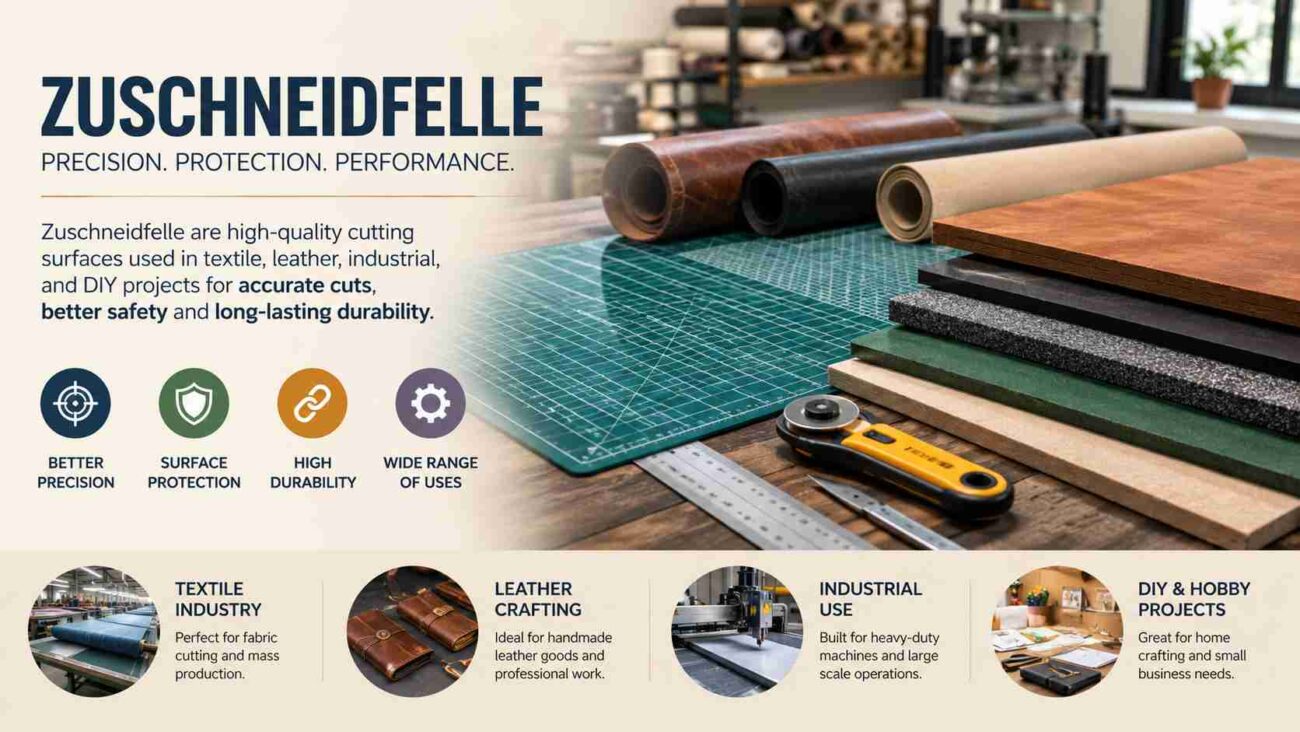
In industries where precision matters, the quality of the cutting surface can make a major difference. This is where zuschneidfelle become important. Whether used in textile factories, leather workshops, packaging industries, or home crafting spaces, zuschneidfelle help create cleaner cuts, improve workflow, and protect working surfaces from damage.
Over the years, these cutting materials have evolved from simple handcrafted surfaces into advanced industrial solutions designed for speed, accuracy, and durability. Today, professionals use different types of zuschneidfelle depending on the material they cut, the tools they use, and the level of precision required. From handmade leather crafting to automated industrial production, these surfaces play a key role in improving efficiency and reducing waste.
Many people searching for zuschneidfelle want to understand which type works best for their needs, how durable they are, and whether premium options are worth the investment. This guide explains everything in simple and natural English. You will learn about the history, materials, uses, benefits, maintenance, industry trends, and buying considerations related to zuschneidfelle so you can make an informed decision.
History and Development of Zuschneidfelle
The history of zuschneidfelle started with traditional craftsmen who needed strong and reliable surfaces for cutting materials by hand. In older workshops, leatherworkers and textile makers often used thick animal hides because they provided a stable base that could handle repeated knife pressure. These early cutting surfaces were simple, but they helped improve accuracy and protected wooden tables from damage.
As manufacturing industries expanded, especially during the industrial revolution, businesses needed more efficient cutting solutions. Textile factories began producing fabrics on a much larger scale, and manual work alone was no longer enough. This increased the demand for durable zuschneidfelle that could survive constant use in busy production environments.
During the twentieth century, technology changed the industry completely. Manufacturers introduced synthetic materials, reinforced rubber compounds, and industrial-grade fibers that lasted longer than traditional leather surfaces. These new materials could resist moisture, heavy pressure, and continuous cutting without wearing out quickly.
Today, modern zuschneidfelle are used in industries ranging from fashion and leather production to automotive manufacturing and digital cutting systems. Advanced factories now combine automated cutting machines with specialized industrial cutting surfaces to improve precision and reduce production waste.
For example, a modern textile factory producing thousands of garments daily depends on durable zuschneidfelle to maintain speed and accuracy. Without reliable cutting surfaces, even small cutting mistakes could lead to material waste and financial losses.
The development of zuschneidfelle reflects how industries continue to prioritize efficiency, safety, and precision in modern production systems.
Types of Zuschneidfelle
Different types of zuschneidfelle are designed for different tasks. Choosing the correct type can improve cutting performance, extend tool life, and make work more comfortable.
Leather Zuschneidfelle
Leather zuschneidfelle are considered one of the most traditional and reliable options. They are often preferred by leather craftsmen and artisans because natural leather offers a smooth yet durable surface. It absorbs cutting pressure effectively while maintaining flexibility.
Professional leatherworkers commonly use leather zuschneidfelle for projects like handmade wallets, belts, handbags, and decorative products. These surfaces help create precise cuts without damaging expensive materials.
One major advantage of leather-based options is longevity. High-quality leather surfaces can last for years if maintained properly. They also provide a premium working experience that many professionals appreciate.
For example, a craftsman making luxury leather products may choose a genuine leather cutting surface because it reduces blade slipping and improves control during detailed cutting work.
Synthetic Zuschneidfelle
Synthetic zuschneidfelle have become increasingly popular because they are affordable, durable, and easier to maintain. They are usually made from advanced polymers, synthetic fibers, or reinforced rubber compounds.
Unlike natural leather, synthetic materials resist moisture and temperature changes more effectively. This makes them suitable for industrial environments where conditions can be demanding.
Many textile factories use synthetic zuschneidfelle because they can handle continuous daily use without cracking or tearing easily. They are also available in different thickness levels for various cutting applications.
Another reason businesses prefer synthetic options is cost-effectiveness. Companies producing large volumes of products often need multiple cutting surfaces, and synthetic materials provide reliable performance at lower costs.
Industrial Zuschneidfelle
Industrial zuschneidfelle are designed specifically for heavy-duty factory environments. These cutting surfaces are much stronger and thicker than standard options because they must handle machine-assisted cutting systems and continuous production cycles.
Factories producing automotive fabrics, packaging materials, or industrial textiles often rely on industrial-grade zuschneidfelle for precision and durability. These products are built to withstand constant pressure and repeated cutting actions.
Safety is also important in industrial settings. High-quality industrial zuschneidfelle often include non-slip surfaces and heat-resistant materials to improve workplace safety.
For instance, in an automated textile factory, industrial cutting machines may operate for several hours continuously. A weak cutting surface would wear out quickly, causing production delays and inaccurate cuts.
Customized Zuschneidfelle
Customized zuschneidfelle are made for businesses or professionals with specific requirements. Some industries need unique sizes, shapes, or material combinations that standard products cannot provide.
Customization improves efficiency because the cutting surface is designed specifically for the workspace or machine being used. Large factories often order customized industrial cutting surfaces to fit automated systems perfectly.
Professionals also benefit from personalized sizing because it reduces unnecessary movement and improves comfort during long working hours.
Materials Used in Zuschneidfelle
The material used in zuschneidfelle directly affects durability, flexibility, and cutting performance. Different industries choose materials based on their work environment and cutting needs.
Natural leather remains one of the most respected materials because it combines strength with flexibility. Leather surfaces are especially popular among craftsmen who require precise manual cutting. Over time, quality leather develops a smoother working surface that improves comfort and control.
Rubber compounds are widely used in industrial-grade zuschneidfelle because they absorb pressure effectively and reduce slipping during cutting tasks. This makes them useful for high-speed production environments where safety and stability are important.
Synthetic fibers have become common in modern manufacturing because they are lightweight, durable, and resistant to moisture. Textile factories often prefer reinforced synthetic materials because they can handle constant daily use without deforming easily.
PVC and plastic materials are usually found in affordable or beginner-friendly options. They provide smooth cutting surfaces and are easy to clean, although they may not last as long as premium materials.
Eco-friendly materials are now gaining attention as more businesses focus on sustainability. Some manufacturers produce zuschneidfelle using recycled rubber or environmentally responsible synthetic fibers. These products help reduce waste while maintaining good durability.
For example, a sustainable fashion company may choose eco-friendly zuschneidfelle to support environmentally conscious production practices.When comparing durability, industrial synthetic compounds and reinforced rubber materials generally perform best under heavy use, while leather remains a favorite for detailed handcrafted work.
Main Uses of Zuschneidfelle
Zuschneidfelle are used in many industries because they improve cutting precision and workspace protection.
Textile Industry
The textile industry is one of the largest users of zuschneidfelle. Fabric cutting requires accuracy because even small mistakes can waste large amounts of material. Cutting surfaces help workers maintain straight lines and consistent measurements.
Modern garment factories often combine automated cutting systems with industrial zuschneidfelle to improve speed and reduce production errors.
For example, sportswear manufacturers producing thousands of clothing pieces daily rely on durable cutting surfaces to maintain consistency across every product.
Leather Crafting
Leather crafting requires detailed and careful cutting work. Professional artisans use zuschneidfelle to create products like wallets, shoes, belts, and handbags.
A stable cutting surface improves precision and prevents expensive leather from shifting during work. This is especially important for handmade luxury products where accuracy directly affects product quality.
Industrial Manufacturing
Industrial manufacturing facilities use zuschneidfelle for machine-supported operations involving textiles, packaging materials, automotive fabrics, and synthetic products.
Heavy-duty industrial surfaces support automated cutting machines and improve production efficiency. Without proper cutting support, factories may experience material waste and equipment damage.
DIY and Hobby Projects
Many hobby users also use zuschneidfelle for home crafting projects. Sewing enthusiasts, artists, and small business owners often need safe and durable cutting surfaces for creative work.
For example, someone creating handmade greeting cards or fabric decorations at home can benefit from a reliable cutting surface that protects tables and improves cutting accuracy.
Benefits of Using Zuschneidfelle
One of the biggest advantages of zuschneidfelle is improved cutting precision. A stable surface helps users create cleaner and more accurate cuts, which is especially important in professional industries.
Another important benefit is surface protection. Repeated cutting can quickly damage ordinary tables or workstations, but zuschneidfelle absorb cutting pressure and protect surfaces from scratches and marks.
Durability is another reason why professionals invest in high-quality cutting surfaces. Premium materials can handle years of use without losing performance, making them a cost-effective long-term investment.
Safety also improves significantly. Non-slip surfaces help prevent accidents and provide better control during cutting tasks. This is especially valuable in industrial workplaces where precision tools are used daily.
Zuschneidfelle also reduce material waste because accurate cutting means fewer mistakes. In industries like textile manufacturing, reducing waste can save companies large amounts of money over time.
For example, a factory producing expensive fabrics can minimize losses simply by using high-quality industrial cutting surfaces that improve measurement accuracy.
How to Choose the Best Zuschneidfelle
Choosing the right zuschneidfelle depends on your work type, budget, and durability requirements.
Consider the Material
The material should match the intended use. Leather options work best for manual craftsmanship, while synthetic or industrial materials are more suitable for factory environments.
If you work with delicate fabrics or detailed leather projects, softer surfaces may provide better control. Heavy industrial work usually requires reinforced materials for long-term durability.
Check Thickness and Size
Thickness affects both comfort and durability. Thin cutting surfaces may wear out quickly under heavy use, while thicker surfaces offer better resistance against pressure.
Size also matters. Small hobby projects may only need compact surfaces, but professional workshops often require larger work areas.
Evaluate Durability
Durability is extremely important if the cutting surface will be used daily. High-quality zuschneidfelle resist cracking, tearing, and surface wear much better than cheaper alternatives.
Investing in durable materials may cost more initially, but it reduces replacement expenses in the future.
Compare Prices
Budget-friendly products are suitable for beginners and occasional users, but professional environments often benefit from premium-quality options.
The cheapest option is not always the best value. Long-lasting materials usually save money over time because they require fewer replacements.
Read Customer Reviews
Customer reviews provide useful real-world insights about performance, quality, and durability. Buyers should look for feedback related to wear resistance, comfort, and ease of maintenance.
Conclusion
Zuschneidfelle have become essential tools in industries that require precision, durability, and efficient cutting performance. From traditional leather workshops to advanced industrial factories, these cutting surfaces help improve accuracy, reduce waste, and protect valuable workspaces.Modern zuschneidfelle are available in different materials and designs to suit professionals, hobby users, and large manufacturing companies. Whether you need a durable industrial option or a flexible cutting surface for creative projects, choosing the right product can improve workflow and long-term productivity.By understanding the types, materials, benefits, and practical uses of zuschneidfelle, buyers can make smarter decisions and invest in solutions that match their specific needs.
FAQ’s
1. What are zuschneidfelle mainly used for?
Zuschneidfelle are mainly used for cutting fabrics, leather, paper, and industrial materials with better precision and surface protection.
2. Which material is best for zuschneidfelle?
Leather is great for craftsmanship, while synthetic and rubber-based materials are better for industrial and heavy-duty use.
3. Are zuschneidfelle suitable for beginners?
Yes, many affordable and easy-to-maintain zuschneidfelle are designed specifically for beginners and hobby users.
4. How long do zuschneidfelle usually last?
High-quality zuschneidfelle can last several years depending on usage, material quality, and maintenance.
5. Can zuschneidfelle improve cutting accuracy?
Yes, a stable and durable cutting surface helps users make cleaner, straighter, and more accurate cuts.
