Introduction
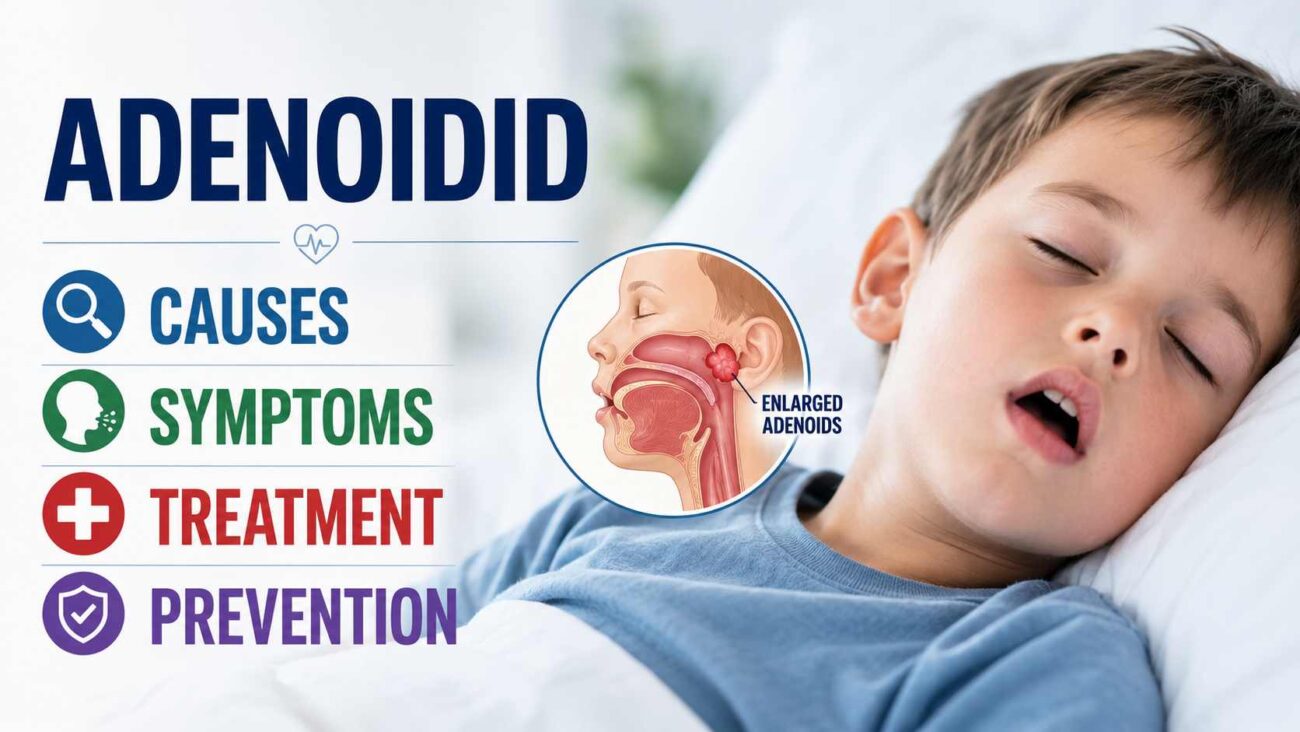
If your child constantly breathes through the mouth, snores loudly at night, or seems to suffer from one cold after another, enlarged or inflamed adenoids may be the reason. Many people use the term adenoidid to describe problems related to swollen, infected, or enlarged adenoids.
While these small tissues play an important role in protecting the body from germs, they can sometimes become a source of ongoing health issues.
Adenoid-related problems are especially common in children because their immune systems are still developing. However, adults can occasionally experience similar issues as well. Symptoms may range from mild nasal congestion to sleep disturbances, hearing problems, and recurring infections.
The good news is that most cases can be managed successfully. Some people improve with medication and lifestyle changes, while others may need a minor surgical procedure called an adenoidectomy. Understanding the condition is the first step toward getting the right treatment.
In this guide, you’ll learn what adenoidid is, why it develops, how it affects daily life, and what treatment options are available.
What Is Adenoidid?
Adenoidid is a commonly used term for conditions involving enlarged, inflamed, or infected adenoids. These issues can affect breathing, sleeping, hearing, and overall comfort.
Adenoids are small pads of lymphatic tissue located behind the nasal cavity, where they help trap harmful bacteria and viruses before they enter the body. During childhood, they form part of the immune system’s first line of defense.
When adenoids become enlarged due to repeated infections, allergies, or irritation, they may begin to block airflow through the nose. As a result, children and adults may experience symptoms such as nasal congestion, mouth breathing, snoring, or recurrent ear infections.
Normal Adenoids vs Enlarged Adenoids
| Normal Adenoids | Enlarged Adenoids |
| Allow easy nasal breathing | Can obstruct airflow |
| Do not affect sleep | May contribute to snoring |
| Support immune defense quietly | Cause noticeable symptoms |
| Rarely cause discomfort | May lead to infections and sleep issues |
Why Is Adenoidid More Common in Children?
Children are exposed to many new viruses, bacteria, and allergens as they grow. Because adenoids help filter these germs, they frequently become active and temporarily enlarge. Most of the time, they return to normal size after recovery. However, repeated infections can cause the tissue to remain swollen for longer periods.
Can Adults Develop Adenoidid?
Although adenoids usually shrink during the teenage years, adults can still experience adenoid-related problems. Persistent allergies, chronic sinus infections, or long-term irritation may cause inflammation in any remaining adenoid tissue. While less common, adult cases should still be evaluated by a healthcare professional.
Understanding Adenoids
What Are Adenoids?
Adenoids are part of the lymphatic system, a network that helps protect the body from infection. They consist of immune tissue designed to identify and respond to harmful microorganisms entering through the nose.
Unlike tonsils, adenoids cannot usually be seen by simply opening the mouth. They sit behind the nasal cavity, making them difficult to examine without specialized tools.
Where Are Adenoids Located?
The adenoids are positioned high in the throat, directly behind the nose. This location allows them to encounter germs as soon as they enter the body through inhaled air.
Because they are close to both the nasal passages and the Eustachian tubes, enlarged adenoids can affect breathing and ear function at the same time.
Relationship Between Adenoids and Tonsils
Adenoids and tonsils perform similar immune functions but are located in different areas.
- Tonsils are visible at the back of the throat.
- Adenoids are hidden behind the nose.
Both structures help detect infections and support immune responses during childhood.
What Do Adenoids Do?
Adenoids help the immune system recognize harmful organisms and create antibodies against them. During the early years of life, they play a particularly important role because children are still building immunity to many common infections.
When bacteria or viruses enter through the nose, the adenoids help identify these invaders and trigger defensive responses. This process contributes to overall protection against respiratory infections.
Why Do Adenoids Shrink With Age?
As children grow older, other parts of the immune system become more efficient. The body gradually relies less on adenoid tissue for protection, causing the adenoids to shrink naturally.
By adulthood, adenoids are often much smaller than they were during childhood. This natural reduction explains why adenoid-related problems are generally more common in younger age groups.
What Causes Adenoidid?
Several factors can contribute to enlarged or inflamed adenoids. In many cases, more than one factor is involved.
Frequent Infections
Repeated upper respiratory infections are among the most common causes. Every time the body fights a cold, flu, or throat infection, the adenoids may temporarily swell as part of the immune response.
When infections occur frequently, the tissue may not have enough time to return to its normal size before the next illness begins.
Allergies and Environmental Triggers
Allergies can cause ongoing inflammation within the nasal passages and nearby tissues. Common triggers include pollen, dust mites, mold, pet dander, and air pollution.
Continuous exposure to these irritants may contribute to long-term adenoid enlargement.
Genetic Factors
Some individuals appear to have a natural tendency toward enlarged adenoids. A family history of allergies, chronic respiratory issues, or airway problems may increase the likelihood of developing symptoms.
Weakened Immune Function
People who experience frequent infections often place additional strain on the immune system. Repeated exposure to germs may increase the risk of chronic inflammation within the adenoids.
Other Risk Factors
Additional factors that may contribute include:
- Exposure to secondhand smoke
- Poor indoor air quality
- Crowded environments
- Frequent daycare attendance
- Chronic sinus conditions
Reducing these risks can help support healthier breathing and fewer infections.
Signs and Symptoms of Adenoidid
The symptoms of adenoidid can vary from person to person. Some individuals experience only mild nasal congestion, while others develop sleep problems and recurrent infections.
Early Symptoms
One of the first signs is difficulty breathing comfortably through the nose. This often leads to a feeling of constant congestion that does not completely improve even after a cold has resolved.
Other early symptoms may include:
- Frequent runny nose
- Nasal blockage
- Postnasal drip
- Mild snoring
- Reduced sense of smell
Common Symptoms in Children
As enlargement becomes more significant, symptoms may become easier to notice.
Many children develop:
- Mouth breathing
- Loud snoring
- Restless sleep
- Daytime tiredness
- Dry mouth upon waking
- Bad breath
- Nasal-sounding speech
Because quality sleep is important for growth and development, these symptoms can sometimes affect behavior, concentration, and academic performance.
Symptoms in Adults
Adults with adenoid-related problems often report:
- Persistent nasal blockage
- Frequent sinus infections
- Difficulty sleeping
- Ongoing postnasal drip
- Chronic nasal congestion
Because enlarged adenoids are less common in adults, doctors may perform additional tests to identify underlying causes.
Symptoms That Need Immediate Medical Attention
Certain symptoms should not be ignored, including:
- Noticeable breathing difficulties
- Pauses in breathing during sleep
- Repeated ear infections
- Hearing problems
- Severe sleep disruption
Prompt evaluation can help prevent complications and improve long-term outcomes.
How Adenoidid Affects Daily Life
Many people think adenoidid only causes nasal congestion, but its effects can extend much further. When breathing becomes difficult for long periods, it can influence sleep quality, communication, learning ability, and overall well-being. These effects are often more noticeable in children, but adults may also experience challenges in daily life.
Impact on Sleep Quality
Healthy sleep depends on clear airflow through the nose and throat. Enlarged adenoids can narrow the airway, making breathing more difficult during sleep. As a result, many people experience restless nights and wake up feeling tired despite spending enough time in bed.
In some cases, breathing interruptions known as sleep apnea may occur. These episodes reduce sleep quality and can lead to daytime fatigue, reduced concentration, headaches, and mood changes.
For children, poor sleep may affect physical growth, emotional regulation, and school performance. Adults may notice lower productivity, difficulty focusing, and reduced energy throughout the day.
Impact on Speech Development
Because airflow through the nose contributes to normal speech, blocked nasal passages can alter the way words sound. Some children develop a nasal tone or have difficulty pronouncing certain sounds clearly.
Although these speech changes are often temporary, prolonged airway obstruction may affect communication skills if left untreated.
Impact on Learning and Behavior
Sleep and brain function are closely connected. Children who struggle to sleep well may find it harder to focus, remember information, and stay attentive in class.
Parents and teachers sometimes notice:
- Difficulty concentrating
- Reduced attention span
- Increased irritability
- Lower academic performance
- Frustration during learning activities
Addressing the underlying breathing problem often leads to noticeable improvements in behavior and learning.
Effects on Ear Health
The adenoids are located near the Eustachian tubes, which help equalize pressure inside the ears. When swollen adenoids interfere with these tubes, fluid can become trapped behind the eardrum.
This may increase the risk of:
- Recurrent ear infections
- Ear discomfort
- Temporary hearing difficulties
- Delayed speech development in young children
Early treatment can help prevent long-term hearing-related complications.
Types of Adenoidid Conditions
Adenoid-related problems can appear in different forms. Understanding these variations helps explain why symptoms and treatments may differ from one person to another.
Enlarged Adenoids (Adenoid Hypertrophy)
This is the most common adenoid-related condition. The adenoid tissue becomes larger than normal and begins to interfere with airflow through the nasal passages.
Symptoms often develop gradually and may include chronic congestion, mouth breathing, snoring, and sleep disturbances.
Some children outgrow this condition as their adenoids naturally shrink with age, while others require medical treatment.
Adenoiditis
Adenoiditis refers to inflammation or infection of the adenoids.
Acute Adenoiditis
Acute adenoiditis develops suddenly and is usually triggered by a viral or bacterial infection.
Common symptoms include fever, sore throat, congestion, swollen glands, and increased mucus production. Most cases improve with appropriate medical treatment.
Chronic Adenoiditis
Chronic adenoiditis occurs when inflammation persists for an extended period.
People with this condition may experience ongoing nasal congestion, bad breath, postnasal drip, and repeated respiratory infections. Because symptoms last longer, treatment often focuses on addressing underlying causes as well as controlling inflammation.
Recurrent Adenoid Infections
Some children experience multiple episodes of adenoid infection throughout the year.
Repeated inflammation may cause the tissue to remain enlarged even between infections, increasing the likelihood of breathing and sleeping difficulties.
Obstructive Adenoid Disease
This condition occurs when enlarged adenoids physically block the upper airway.
Individuals may experience significant breathing difficulties, loud snoring, and symptoms of obstructive sleep apnea. Because airflow is affected, treatment is often recommended to prevent long-term complications.
How Doctors Diagnose Adenoidid
Diagnosing adenoidid involves more than simply identifying nasal congestion. Healthcare providers use several methods to determine whether the adenoids are responsible for a person’s symptoms.
Medical History Assessment
The diagnostic process usually begins with a discussion about symptoms and medical history.
Doctors commonly ask about:
- Snoring patterns
- Sleep quality
- Breathing difficulties
- Ear infections
- Hearing concerns
- Frequency of respiratory illnesses
This information helps build a clearer picture of how the condition is affecting daily life.
Physical Examination
A physical examination allows the doctor to assess the nose, ears, throat, and surrounding structures.
Although adenoids cannot usually be seen directly during a routine examination, associated signs often provide important clues.
Nasal Endoscopy
Nasal endoscopy is one of the most accurate ways to evaluate adenoids.
During this procedure, a thin flexible tube equipped with a camera is gently inserted through the nose. The doctor can then examine the size and condition of the adenoid tissue in real time.
The procedure is generally quick and provides valuable diagnostic information.
X-Ray Imaging
In certain situations, imaging studies may be recommended.
A lateral neck X-ray can help determine:
- Adenoid size
- Degree of airway narrowing
- Relationship to nearby structures
While endoscopy often provides more detailed information, imaging remains useful in selected cases.
Sleep Studies
If symptoms suggest sleep apnea, a sleep study may be recommended.
This overnight evaluation monitors breathing, oxygen levels, heart rate, and sleep patterns. The results help determine whether airway obstruction is affecting overall health.
Hearing Tests
Children with recurring ear infections or suspected hearing difficulties may undergo hearing assessments.
These tests help identify complications and guide treatment planning.
Adenoidid Treatment Options
Treatment depends on symptom severity, age, overall health, and the underlying cause of the condition.
Some individuals require only observation, while others benefit from medication or surgical intervention.
Observation and Monitoring
Not every case requires immediate treatment.
Mild enlargement may improve naturally over time, particularly in younger children. Doctors sometimes recommend monitoring symptoms before deciding on more aggressive treatment.
Regular follow-up visits ensure that the condition is not worsening.
Medications
Medication is often the first treatment option for symptomatic adenoidid.
Antibiotics
When a bacterial infection is present, antibiotics may help eliminate the infection and reduce inflammation.
Nasal Steroid Sprays
These sprays can decrease swelling inside the nasal passages and improve airflow. Many patients experience noticeable relief after consistent use.
Allergy Medications
For individuals whose symptoms are linked to allergies, antihistamines or other allergy treatments may reduce inflammation and improve breathing.
Anti-Inflammatory Treatments
Certain medications may be prescribed to help control discomfort and inflammation associated with chronic adenoid problems.
Lifestyle Adjustments
Simple changes at home can complement medical treatment.
Helpful measures include:
- Staying well hydrated
- Using a humidifier
- Limiting exposure to allergens
- Avoiding tobacco smoke
- Improving indoor air quality
Although these steps do not cure adenoidid, they often help reduce symptom severity and improve comfort.
Natural Ways to Support Recovery From Adenoidid
Medical treatment remains the most important approach for managing significant symptoms. However, healthy habits can support recovery and promote overall respiratory health.
Maintaining Good Nasal Hygiene
Keeping the nasal passages clean may help reduce irritation and improve breathing.
Saline nasal sprays are commonly recommended because they help remove mucus, allergens, and environmental pollutants.
Steam Inhalation
Warm steam can temporarily ease congestion by loosening mucus and moisturizing the airways.
Many people find relief through steam inhalation or warm showers.
Staying Hydrated
Proper hydration supports healthy mucus flow and helps prevent secretions from becoming excessively thick.
Water remains the best choice for maintaining hydration throughout the day.
Balanced Nutrition
A nutrient-rich diet provides the vitamins and minerals needed for immune function and tissue repair.
Foods rich in antioxidants may support recovery during periods of illness.
Strengthening the Immune System
Healthy lifestyle habits can help reduce the likelihood of frequent infections.
Important habits include:
- Consistent sleep
- Regular physical activity
- Stress management
- Nutritious eating patterns
Improving Indoor Air Quality
Cleaner air may reduce irritation within the respiratory tract.
Practical steps include:
- Using air purifiers
- Reducing dust accumulation
- Improving ventilation
- Controlling indoor allergens
When Is Adenoid Surgery Needed?
Many cases of adenoidid improve with medication, allergy management, and lifestyle changes. However, surgery may be recommended when symptoms continue to affect breathing, sleep, hearing, or overall quality of life despite appropriate treatment.
Doctors carefully evaluate each case before suggesting surgery. The goal is not simply to remove the adenoids but to address symptoms that are interfering with normal daily activities and healthy development.
What Is an Adenoidectomy?
An adenoidectomy is a surgical procedure that removes the adenoid tissue from behind the nasal cavity. It is one of the most common procedures performed by ear, nose, and throat (ENT) specialists, particularly in children.
The operation is generally safe and is often performed as a day procedure, allowing patients to return home on the same day.
Signs Surgery May Be Necessary
A healthcare provider may consider surgery when enlarged adenoids cause ongoing problems such as:
- Chronic nasal obstruction
- Persistent mouth breathing
- Loud snoring
- Obstructive sleep apnea
- Frequent ear infections
- Recurrent sinus infections
- Hearing difficulties caused by fluid buildup
When these issues begin affecting sleep, learning, communication, or overall health, surgery may offer significant benefits.
Who Is a Good Candidate for Surgery?
Children who continue to experience symptoms despite medical treatment are often considered strong candidates for adenoidectomy.
Adults may also require surgery if enlarged adenoids contribute to chronic nasal blockage, repeated infections, or persistent breathing difficulties.
Benefits of Adenoid Removal
Many patients experience noticeable improvements after surgery, including better sleep quality, easier breathing, fewer infections, improved hearing, and increased energy levels.
For children, these improvements can also support better concentration, school performance, and overall development.
Risks and Possible Complications
Although adenoidectomy is considered safe, every surgical procedure carries some risks.
Potential complications may include:
- Bleeding
- Infection
- Temporary throat discomfort
- Mild breathing changes during recovery
- Reactions to anesthesia
Fortunately, serious complications are uncommon, and most patients recover without difficulty.
Adenoidectomy Procedure Explained
Understanding what happens before, during, and after surgery can help patients and parents feel more confident about the process.
Before Surgery
Before the operation, the surgeon reviews the patient’s medical history and performs any necessary examinations.
Patients are usually asked to avoid eating or drinking for several hours before surgery because general anesthesia will be used.
The healthcare team also explains the procedure, recovery expectations, and aftercare instructions.
During the Procedure
The operation is performed through the mouth, so there are no visible external cuts.
Once anesthesia has taken effect, the surgeon removes the adenoid tissue using specialized instruments. The procedure is relatively quick and typically takes less than an hour.
Recovery Timeline
Most patients go home on the same day.
Common temporary symptoms during recovery include:
- Mild sore throat
- Nasal congestion
- Bad breath
- Minor discomfort when swallowing
Recovery generally takes between one and two weeks.
Post-Surgery Care
A smooth recovery often depends on following medical advice carefully.
Important recommendations include:
- Getting plenty of rest
- Drinking enough fluids
- Taking medications as prescribed
- Avoiding strenuous activities for several days
Most patients gradually return to their normal routine as healing progresses.
Foods to Eat During Recovery
Soft and easy-to-swallow foods are usually recommended after surgery.
Examples include yogurt, mashed potatoes, soup, smoothies, applesauce, and soft fruits.
These foods help maintain nutrition while minimizing discomfort.
Warning Signs After Surgery
Although complications are uncommon, medical attention should be sought if a patient experiences:
- Heavy bleeding
- High fever
- Severe dehydration
- Breathing difficulties
- Worsening pain
Prompt evaluation helps ensure a safe recovery.
Adenoidid in Children vs Adults
While adenoidid is most commonly associated with childhood, it can occasionally affect adults as well.
Key Differences
The main difference lies in the size and activity of the adenoids.
Children naturally have larger and more active adenoids because their immune systems are still developing. Adults usually have much smaller adenoids because the tissue shrinks over time.
As a result, symptoms and treatment approaches may differ between age groups.
Why Children Are More Commonly Affected
Children encounter many new infections during their early years. Their adenoids frequently respond to these exposures, making enlargement more likely.
Because children’s airways are smaller, even moderate swelling can cause noticeable symptoms.
Adult Adenoid Problems
Adult cases are less common but can occur.
Common contributing factors include:
- Chronic allergies
- Long-term sinus problems
- Environmental irritants
- Persistent inflammation
Because enlarged adenoids are unusual in adults, doctors may perform additional testing to rule
out other conditions.
Treatment Differences by Age
Children often improve as they grow older and their adenoids naturally shrink.
Adults may require more detailed investigations to determine the underlying cause before treatment decisions are made.
Complications of Untreated Adenoidid
Ignoring persistent symptoms can lead to problems that affect health and quality of life over time.
Chronic Ear Infections
Swollen adenoids may interfere with normal ear function by blocking the Eustachian tubes.
Repeated infections can eventually affect hearing and communication abilities, particularly in young children.
Sleep Disorders
Long-term airway obstruction can contribute to poor sleep quality.
Some individuals develop obstructive sleep apnea, a condition characterized by repeated pauses in breathing during sleep.
Poor sleep may affect physical health, emotional well-being, and daily performance.
Speech Problems
When airflow through the nose remains restricted for long periods, speech quality may be affected.
Children may develop a nasal voice or experience difficulties with clear pronunciation.
Facial Growth Changes
Persistent mouth breathing during childhood can influence facial and dental development.
Over time, some children develop changes in jaw alignment, facial structure, and dental positioning.
Poor Oxygenation During Sleep
Reduced airflow may lower oxygen levels during sleep.
This can affect concentration, growth, learning ability, and overall development.
Reduced Quality of Life
Ongoing symptoms often affect social activities, school performance, productivity, and emotional well-being.
Early treatment helps reduce the risk of these long-term complications.
How to Prevent Adenoidid
Although not every case can be prevented, healthy habits can reduce the likelihood of developing persistent adenoid problems.
Prevent Respiratory Infections
Good hygiene remains one of the most effective preventive strategies.
Regular handwashing, covering coughs and sneezes, and avoiding close contact with sick individuals can help reduce exposure to infections.
Manage Allergies Early
Allergy control may reduce inflammation within the nasal passages and surrounding tissues.
Identifying triggers and following an appropriate treatment plan can help minimize chronic irritation.
Avoid Tobacco Smoke Exposure
Secondhand smoke can irritate the respiratory system and increase the risk of inflammation.
Children should be protected from smoke exposure whenever possible.
Improve Home Air Quality
Maintaining a clean indoor environment can support respiratory health.
Regular cleaning, proper ventilation, and air filtration may help reduce allergens and irritants.
Encourage Healthy Hygiene Habits
Simple daily habits often play an important role in preventing infections and supporting immune health.
Strengthen Immune Health
A strong immune system may help reduce the frequency of illnesses.
Balanced nutrition, regular exercise, adequate sleep, and proper hydration all contribute to overall wellness.
Diet and Nutrition for Adenoidid Management
Nutrition cannot cure adenoidid, but it can support the body’s natural healing processes and immune function.
Foods That Support Immunity
A healthy diet rich in vitamins, minerals, and antioxidants may help the body respond more effectively to infections.
Beneficial foods include:
Fruits
Oranges, berries, apples, kiwi, and other vitamin-rich fruits.
Vegetables
Leafy greens, carrots, broccoli, bell peppers, and other colorful vegetables.
Lean Proteins
Chicken, fish, eggs, beans, and lentils provide nutrients necessary for growth and recovery.
Anti-Inflammatory Foods
Certain foods may help support a healthy inflammatory response, including:
- Fatty fish
- Nuts
- Seeds
- Olive oil
- Leafy green vegetables
Foods to Limit
Highly processed foods and excessive sugar may provide little nutritional value and should be consumed in moderation.
Examples include sugary drinks, packaged snacks, and fast food.
Importance of Hydration
Adequate hydration helps maintain healthy mucus flow and supports overall respiratory function.
Water should remain the primary source of hydration throughout the day.
Expert Tips for Parents Managing Adenoidid
Parents often notice symptoms before healthcare providers do. Paying attention to sleep quality, breathing patterns, and recurring infections can help identify problems early.
Keeping a simple symptom diary can be useful during medical appointments. Recording snoring frequency, sleep quality, ear infections, and breathing difficulties helps doctors understand how symptoms are progressing.
Parents should consider consulting an ENT specialist if symptoms persist for several weeks or begin affecting sleep, hearing, behavior, or school performance.
Early intervention often leads to better outcomes and helps prevent unnecessary complications.
Key Takeaways About Adenoidid
Adenoidid refers to conditions involving enlarged, inflamed, or infected adenoids. It most commonly affects children but can occasionally occur in adults.
Common symptoms include nasal congestion, mouth breathing, snoring, sleep disturbances, recurrent infections, and hearing problems. Causes range from infections and allergies to environmental irritants and genetic factors.
Diagnosis may involve physical examinations, nasal endoscopy, imaging studies, hearing assessments, and sleep evaluations. Treatment options include medication, lifestyle changes, allergy management, and surgery when necessary.
With timely diagnosis and appropriate treatment, most people experience significant improvement and enjoy a healthy long-term outlook.
Conclusion
Adenoidid is a common condition that can affect breathing, sleep, hearing, and overall quality of life. Although it is most frequently seen in children, adults can also experience adenoid-related problems. Recognizing the symptoms early and seeking appropriate medical advice can prevent complications and improve daily functioning.Whether treatment involves medication, allergy control, lifestyle adjustments, or adenoidectomy, most patients respond well when the condition is properly managed. By understanding the causes, symptoms, and available treatment options, families can make informed decisions and support better long-term health.
FAQ’s
Can adenoidid go away without surgery?
Yes. Many mild cases improve with medication, allergy management, or natural shrinking of the adenoids as a child grows older.
Can enlarged adenoids affect appetite?
Some children may eat less because chronic nasal blockage makes breathing and eating at the same time more difficult.
Does adenoidid always cause snoring?
No. Although snoring is common, some individuals mainly experience nasal congestion, recurrent infections, or ear-related symptoms.
Can adenoid problems return after surgery?
In rare cases, a small amount of adenoid tissue may regrow, particularly if surgery is performed at a very young age.
Is adenoidid dangerous?
Most cases are not dangerous, but untreated severe symptoms can lead to sleep problems, hearing issues, and developmental concerns.
